
Honoring Caregivers: The Strength Behind Every Cancer Journey
February is a time to recognize the caregivers who stand beside patients through every stage of cancer care. From diagnosis to treatment and beyond, caregivers
Monday, January 19, 2026 – Closed
In observance of Martin Luther King Jr. Day.
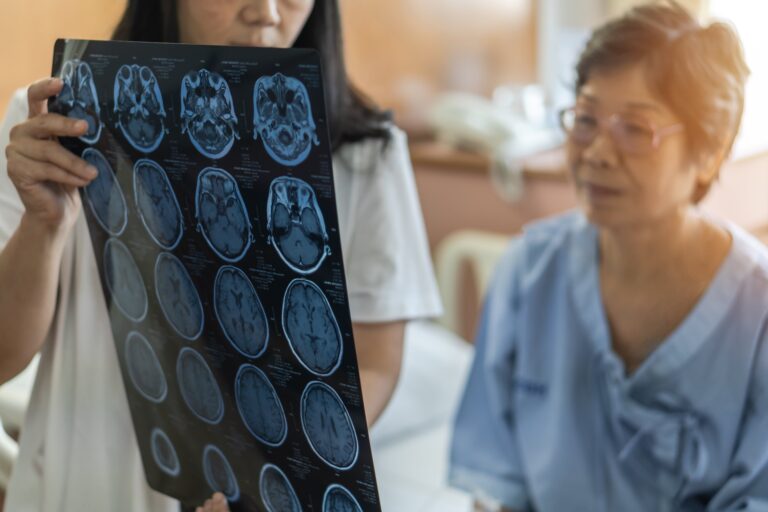
Brain cancer occurs when abnormal cells form within the brain and begin to grow uncontrollably, potentially disrupting critical body functions. These tumors may be primary (originating in the brain) or secondary/metastatic (spreading from cancers elsewhere in the body, often from the lungs, breast, kidney, or skin).
Because the brain controls so many body functions, symptoms can vary widely based on tumor location, size, and rate of growth. Common signs include:
Headaches that worsen over time or with movement
Seizures
Memory loss or confusion
Difficulty speaking or understanding language
Changes in personality or behavior
Nausea or vomiting
Vision or balance problems
If you’re experiencing persistent or unusual neurological symptoms, speak with your healthcare provider.
The exact causes of brain cancer are still unclear, but a few risk factors have been identified:
Age: Risk increases with age, especially after 65.
Radiation exposure: Especially in childhood or as a result of prior cancer treatment.
Weakened immune system: Associated with an increased risk for certain brain lymphomas.
Genetics: Certain rare genetic conditions may increase risk.
Gender: Some brain tumors are more common in men, while others (like meningiomas) occur more often in women.
Importantly, brain cancer does not typically run in families.
Brain tumors are classified based on the type of cells involved and how quickly they grow. While not all brain tumors are cancerous, even benign tumors can be life-threatening depending on their location.
Gliomas: The most common type, arising from glial cells. Includes:
Astrocytomas (Grade I–IV, including glioblastoma)
Ependymomas
Oligodendrogliomas
Meningiomas: Typically benign, arising from the brain’s protective lining
Pituitary tumors: Usually benign but can impact hormone levels
Schwannomas: Often benign tumors affecting nerves
Primary CNS lymphomas: A rare, aggressive form of non-Hodgkin’s lymphoma in the brain
Only about 30% of brain tumors are malignant, but all brain tumors require attention. Awareness encourages early evaluation of symptoms, leading to faster diagnosis and potentially better outcomes.
Common treatment options include:
Surgery
Radiation Therapy
Chemotherapy
Targeted Therapy
Clinical Trials
If you or a loved one is facing brain cancer, know that you’re not alone. We’re here to help you navigate each step with compassion and expertise.

February is a time to recognize the caregivers who stand beside patients through every stage of cancer care. From diagnosis to treatment and beyond, caregivers

Follow-up appointments are an important part of staying healthy. Whether you’re managing a condition, monitoring progress, or simply keeping up with routine care, these visits help your healthcare team make sure everything is on track.

Cancer treatment can bring physical, emotional, and mental challenges. Feeling stressed or overwhelmed is completely normal, but there are simple, effective ways to help manage stress and maintain a sense of control during this time.

February is a time to recognize the caregivers who stand beside patients through every stage of cancer care. From diagnosis to treatment and beyond, caregivers

Follow-up appointments are an important part of staying healthy. Whether you’re managing a condition, monitoring progress, or simply keeping up with routine care, these visits help your healthcare team make sure everything is on track.

Cancer treatment can bring physical, emotional, and mental challenges. Feeling stressed or overwhelmed is completely normal, but there are simple, effective ways to help manage stress and maintain a sense of control during this time.

In early stages, cervical cancer may not cause noticeable symptoms. As it progresses, some signs may include: