
Honoring Caregivers: The Strength Behind Every Cancer Journey
February is a time to recognize the caregivers who stand beside patients through every stage of cancer care. From diagnosis to treatment and beyond, caregivers
Monday, January 19, 2026 – Closed
In observance of Martin Luther King Jr. Day.
1. Get Regular Screenings
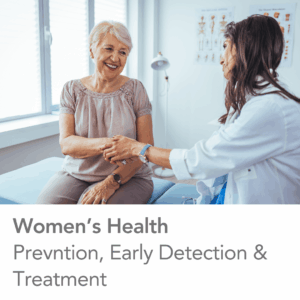
Early detection saves lives. Routine screenings, such as mammograms, colonoscopies, and skin checks, can detect cancer in its early stages when treatment is most effective. Speak with your doctor to determine which screenings are right for you based on age, family history, and lifestyle.
2. Maintain a Healthy Diet
A well-balanced diet can help protect against cancer. Focus on:
– Fruits and vegetables rich in antioxidants
– Whole grains instead of refined carbs
– Lean proteins, such as fish and poultry
– Limiting red and processed meats
3. Stay Physically Active
Regular physical activity lowers the risk of several cancers, including breast and colon cancer. Aim for at least 150 minutes of moderate exercise per week, such as walking, swimming, or cycling.
4. Avoid Tobacco and Limit Alcohol
Smoking is the leading preventable cause of cancer. If you smoke, seek support to quit. Alcohol consumption has also been linked to several cancers, so moderation is key—one drink per day for women, two for men.
5. Protect Your Skin
UV exposure is a major cause of skin cancer. Protect yourself by:
– Wearing sunscreen (SPF 30 or higher)
– Seeking shade during peak sun hours
– Wearing protective clothing
6. Know Your Family History
Some cancers run in families. If you have a strong family history of cancer, genetic testing and increased screenings may be recommended.
By making small changes, you can significantly reduce your cancer risk. This month, take the opportunity to assess your habits and commit to healthier choices. Prevention starts today.

February is a time to recognize the caregivers who stand beside patients through every stage of cancer care. From diagnosis to treatment and beyond, caregivers

Follow-up appointments are an important part of staying healthy. Whether you’re managing a condition, monitoring progress, or simply keeping up with routine care, these visits help your healthcare team make sure everything is on track.

Cancer treatment can bring physical, emotional, and mental challenges. Feeling stressed or overwhelmed is completely normal, but there are simple, effective ways to help manage stress and maintain a sense of control during this time.

February is a time to recognize the caregivers who stand beside patients through every stage of cancer care. From diagnosis to treatment and beyond, caregivers

Follow-up appointments are an important part of staying healthy. Whether you’re managing a condition, monitoring progress, or simply keeping up with routine care, these visits help your healthcare team make sure everything is on track.

Cancer treatment can bring physical, emotional, and mental challenges. Feeling stressed or overwhelmed is completely normal, but there are simple, effective ways to help manage stress and maintain a sense of control during this time.

In early stages, cervical cancer may not cause noticeable symptoms. As it progresses, some signs may include: