Holiday Hours

Monday, January 19, 2026 – Closed
In observance of Martin Luther King Jr. Day.

Protecting Our Biggest Organ: Skin Health and Cancer Prevention

Protecting Our Biggest Organ: Skin Health and Cancer Prevention

Our skin is the body’s largest organ, serving as the first line of defense against environmental factors, regulating body temperature, and playing a crucial role in overall health.

Taking proactive steps is essential for protecting your skin against skin cancer.

The Link Between Skin and Cancer

Skin cancer is the most common form of cancer in the United States, with millions of cases diagnosed each year. The primary cause of skin cancer is exposure to ultraviolet (UV) radiation from the sun or tanning beds. There are three main types of skin cancer:

  • Basal Cell Carcinoma (BCC): The most common form, BCCs usually develop on areas of the skin that receive frequent sun exposure, such as the face and neck.
  • Squamous Cell Carcinoma (SCC): SCCs also occur on sun-exposed areas but can be more aggressive than BCCs.
  • Melanoma: The deadliest form of skin cancer, melanoma can develop anywhere on the body, including areas not typically exposed to the sun. Early detection and treatment are critical for a good prognosis.

Protecting Your Skin: Everyday Tips

Taking care of your skin doesn’t have to be complicated. Here are some everyday tips to help you protect your skin and reduce your risk of skin cancer:

  • Use Sunscreen Daily: Choose a broad-spectrum sunscreen with at least SPF 30. Apply it generously to all exposed skin, even on cloudy days, and reapply every two hours if you’re outdoors.
  • Wear Protective Clothing: Long sleeves, wide-brimmed hats, and UV-blocking sunglasses can help shield your skin from harmful UV rays. Look for clothing with a UPF (Ultraviolet Protection Factor) rating for added protection.
  • Avoid Tanning Beds: Tanning beds expose your skin to high levels of UV radiation, increasing your risk of skin cancer. Opt for safer alternatives like self-tanning lotions if you want a sun-kissed glow.
  • Seek Shade: Whenever possible, stay in the shade, especially during peak sun hours between 10 a.m. and 4 p.m. If you’re at the beach or a park, bring along an umbrella or find a tree to sit under.
  • Stay Hydrated: Drinking plenty of water keeps your skin hydrated and can improve its elasticity and overall health. Consider using a moisturizer that suits your skin type to prevent dryness.
  • Regular Skin Checks: Perform regular self-examinations of your skin to monitor for any new or changing moles, freckles, or spots. If you notice anything unusual, schedule an appointment with a dermatologist. Early detection of skin cancer significantly increases the chances of successful treatment.

Advanced Treatments and Support

If you or a loved one is diagnosed with skin cancer, know that we are here to provide the most advanced treatments available. Our expert medical team is equipped to deliver personalized care tailored to your specific needs.

Prioritizing Skin Health

By taking proactive steps to protect your skin, you can reduce your risk of skin cancer.

Like What You See? Share With A Friend!

Latest Doctor's Blog Articles

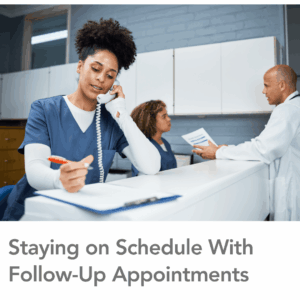
staying on schedule image

Why Follow-Up Matters

Follow-up appointments are an important part of staying healthy. Whether you’re managing a condition, monitoring progress, or simply keeping up with routine care, these visits help your healthcare team make sure everything is on track.
Read More »
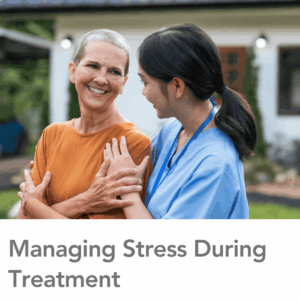
managing stress during treatment image

Managing Stress During Cancer Treatment

Cancer treatment can bring physical, emotional, and mental challenges. Feeling stressed or overwhelmed is completely normal, but there are simple, effective ways to help manage stress and maintain a sense of control during this time.
Read More »
staying on schedule image

Why Follow-Up Matters

Follow-up appointments are an important part of staying healthy. Whether you’re managing a condition, monitoring progress, or simply keeping up with routine care, these visits help your healthcare team make sure everything is on track.

Read More »
managing stress during treatment image

Managing Stress During Cancer Treatment

Cancer treatment can bring physical, emotional, and mental challenges. Feeling stressed or overwhelmed is completely normal, but there are simple, effective ways to help manage stress and maintain a sense of control during this time.

Read More »