
Honoring Caregivers: The Strength Behind Every Cancer Journey
February is a time to recognize the caregivers who stand beside patients through every stage of cancer care. From diagnosis to treatment and beyond, caregivers
Monday, January 19, 2026 – Closed
In observance of Martin Luther King Jr. Day.
Whether it’s a commitment to eating better, exercising more, or prioritizing preventive care, setting health goals can help us improve our well-being and reduce the risk of cancer.
One of the most important steps in maintaining your health is getting regular screenings. Whether it’s for breast, cervical, colon, or skin cancer, early detection plays a significant role in improving treatment outcomes. Make it a priority to schedule your yearly exams and screenings to catch any potential issues early.
Eating a balanced diet rich in fruits, vegetables, and whole grains can help prevent certain types of cancer. Incorporating more plant-based foods, cutting back on processed meats, and reducing your sugar intake can improve your overall health and lower cancer risk.
Exercise isn’t just good for the heart—it can also reduce the risk of developing several types of cancer. Aiming for at least 30 minutes of moderate physical activity a few days a week can help with weight management, improve immune function, and reduce the risk of cancers like breast and colon cancer.
Being overweight or obese can increase your risk of several cancers, including endometrial, breast, and colon cancer. Maintaining a healthy weight through a combination of proper diet and exercise can reduce this risk and improve your overall health.
Stress and mental health can also affect physical health. Consider incorporating relaxation techniques, such as yoga, meditation, or mindfulness, into your routine. Caring for your mental well-being can strengthen your immune system and improve your body’s ability to fight off illnesses.
As we embark on a new year, make your health a top priority. Small changes can lead to a healthier, longer life.

February is a time to recognize the caregivers who stand beside patients through every stage of cancer care. From diagnosis to treatment and beyond, caregivers


Follow-up appointments are an important part of staying healthy. Whether you’re managing a condition, monitoring progress, or simply keeping up with routine care, these visits help your healthcare team make sure everything is on track.

Cancer treatment can bring physical, emotional, and mental challenges. Feeling stressed or overwhelmed is completely normal, but there are simple, effective ways to help manage stress and maintain a sense of control during this time.

February is a time to recognize the caregivers who stand beside patients through every stage of cancer care. From diagnosis to treatment and beyond, caregivers

Follow-up appointments are an important part of staying healthy. Whether you’re managing a condition, monitoring progress, or simply keeping up with routine care, these visits help your healthcare team make sure everything is on track.

Cancer treatment can bring physical, emotional, and mental challenges. Feeling stressed or overwhelmed is completely normal, but there are simple, effective ways to help manage stress and maintain a sense of control during this time.
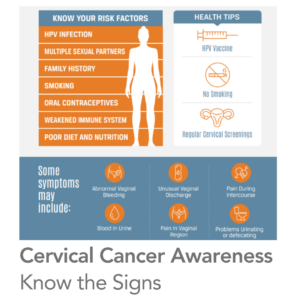
In early stages, cervical cancer may not cause noticeable symptoms. As it progresses, some signs may include: