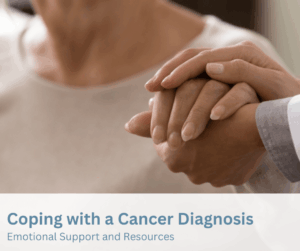
Coping with a Cancer Diagnosis
A cancer diagnosis can bring a wave of emotions—fear, anxiety, sadness, and even anger. While these feelings are normal, finding the right emotional support can make a significant difference in your journey.
Monday, January 19, 2026 – Closed
In observance of Martin Luther King Jr. Day.

A cancer diagnosis can bring a wave of emotions—fear, anxiety, sadness, and even anger. While these feelings are normal, finding the right emotional support can make a significant difference in your journey.

February is American Heart Month, making it the perfect time to discuss the connection between heart disease and cancer. Many cancer treatments impact cardiovascular health, making it essential for patients and survivors to take steps to protect their hearts.

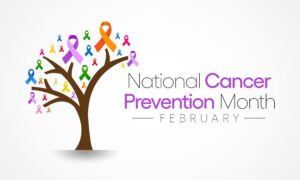
February is National Cancer Prevention Month, a time to raise awareness about the steps we can all take to reduce our cancer risk. While some factors, like genetics, are beyond our control, many lifestyle choices can help prevent cancer.
1. Get Regular Screenings
Early detection saves lives. Routine screenings, such as mammograms, colonoscopies, and skin checks, can detect cancer in its early stages when treatment is most effective. Speak with your doctor to determine which screenings are right for you based on age, family history, and lifestyle.

A cancer diagnosis can bring a wave of emotions—fear, anxiety, sadness, and even anger. While these feelings are normal, finding the right emotional support can make a significant difference in your journey.

February is American Heart Month, making it the perfect time to discuss the connection between heart disease and cancer. Many cancer treatments impact cardiovascular health, making it essential for patients and survivors to take steps to protect their hearts.

February is National Cancer Prevention Month, a time to raise awareness about the steps we can all take to reduce our cancer risk. While some factors, like genetics, are beyond our control, many lifestyle choices can help prevent cancer.
1. Get Regular Screenings
Early detection saves lives. Routine screenings, such as mammograms, colonoscopies, and skin checks, can detect cancer in its early stages when treatment is most effective. Speak with your doctor to determine which screenings are right for you based on age, family history, and lifestyle.