
Holiday Hours

Monday, January 19, 2026 – Closed
In observance of Martin Luther King Jr. Day.

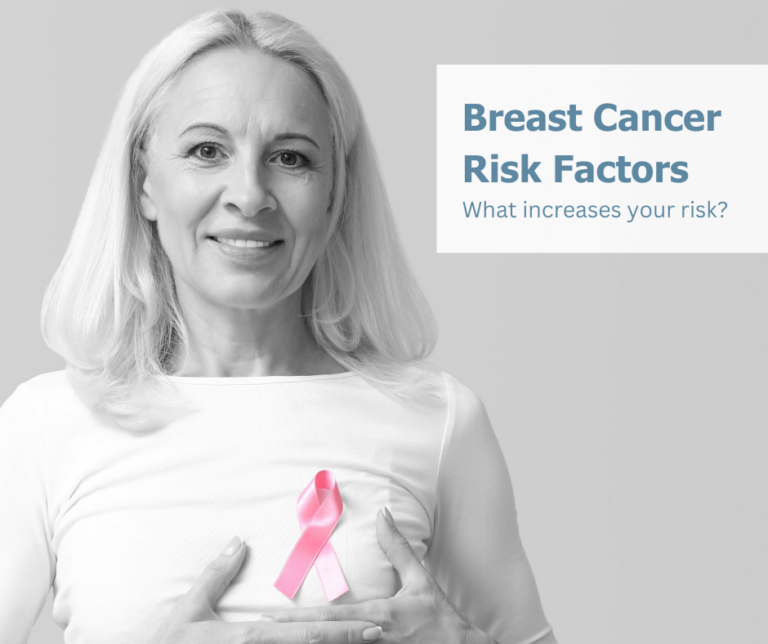
Understanding the Risk Factors for Breast Cancer

Understanding the Risk Factors for Breast Cancer

Breast cancer can affect anyone, but some individuals are at a higher risk than others.

Understanding your risk factors is a critical step in prevention and early detection. In this second part of our Breast Cancer Awareness Month blog series, we’ll dive into the various factors that can increase the likelihood of developing breast cancer.

Genetic Risk Factors

Your genes play a significant role in determining your breast cancer risk. Mutations in specific genes, such as BRCA1 and BRCA2, are known to significantly increase the risk of both breast and ovarian cancer. Women with these mutations may need earlier and more frequent screenings.

Family History

If a close relative, such as a mother, sister, or daughter, has been diagnosed with breast cancer, your risk is higher than average. While not all breast cancer is inherited, family history can provide essential clues about your own risk level. If multiple family members have had breast or ovarian cancer, especially at a young age, you may want to consider genetic counseling.

Lifestyle-Related Risk Factors

Your everyday choices can impact your breast cancer risk. For example:

  • Diet and Weight: Being overweight or obese, especially after menopause, can increase breast cancer risk due to higher levels of estrogen.
  • Alcohol Consumption: Drinking alcohol is associated with an increased risk of breast cancer, and the risk rises with the amount consumed.
  • Smoking: While smoking’s link to breast cancer isn’t as strong as its link to other cancers, some studies suggest that long-term smoking increases the risk, especially in premenopausal women.

Hormonal and Reproductive History

Certain factors related to your menstrual and reproductive history can also affect your breast cancer risk:

  • Early Menstruation: Women who started menstruating before age 12 have a slightly higher risk of breast cancer.
  • Late Menopause: Similarly, women who go through menopause later (after age 55) are at increased risk.
  • Age at First Childbirth: Having your first child after age 30 or never giving birth can increase the risk.

Other Risk Factors

  • Age: The risk of breast cancer increases as you age, with most cases diagnosed in women over 50.
  • Race: While breast cancer is more common in white women, African American women are more likely to be diagnosed with aggressive forms of breast cancer and are more likely to die from the disease.

Know Your Risk

It’s important to understand your personal risk for breast cancer. If you have any concerns about risk factors, talk to your doctor, who can help you develop a tailored plan for monitoring and prevention.

Like What You See? Share With A Friend!

Latest Doctor's Blog Articles

staying on schedule image

Why Follow-Up Matters

Follow-up appointments are an important part of staying healthy. Whether you’re managing a condition, monitoring progress, or simply keeping up with routine care, these visits help your healthcare team make sure everything is on track.

Read More »
managing stress during treatment image

Managing Stress During Cancer Treatment

Cancer treatment can bring physical, emotional, and mental challenges. Feeling stressed or overwhelmed is completely normal, but there are simple, effective ways to help manage stress and maintain a sense of control during this time.

Read More »
staying on schedule image

Why Follow-Up Matters

Follow-up appointments are an important part of staying healthy. Whether you’re managing a condition, monitoring progress, or simply keeping up with routine care, these visits help your healthcare team make sure everything is on track.

Read More »
managing stress during treatment image

Managing Stress During Cancer Treatment

Cancer treatment can bring physical, emotional, and mental challenges. Feeling stressed or overwhelmed is completely normal, but there are simple, effective ways to help manage stress and maintain a sense of control during this time.

Read More »