
Prostate Cancer: Understanding Risk and Screening
Learn about prostate cancer risks, symptoms, and when to get screened.
Monday, January 19, 2026 – Closed
In observance of Martin Luther King Jr. Day.
Regular screenings can dramatically increase the chances of catching breast cancer in its early stages when it’s most treatable.
Why Early Detection Matters
Breast cancer is one of the most common cancers affecting women, but it can often be treated successfully when caught early. Detecting cancer before it spreads can lead to more effective treatment options, less invasive procedures, and a higher chance of survival. Early-stage cancers are generally easier to manage, leading to better outcomes and, often, a full recovery.
Recommended Screening Guidelines
The American Cancer Society recommends that women at average risk of breast cancer start yearly mammograms at age 45, though women aged 40-44 may choose to begin screening early. Women aged 55 and older can switch to mammograms every two years or continue yearly screening. However, guidelines may vary based on personal or family history, so it’s essential to consult with your healthcare provider to determine the best screening plan for you.
Screening Options
What to Expect During Screening
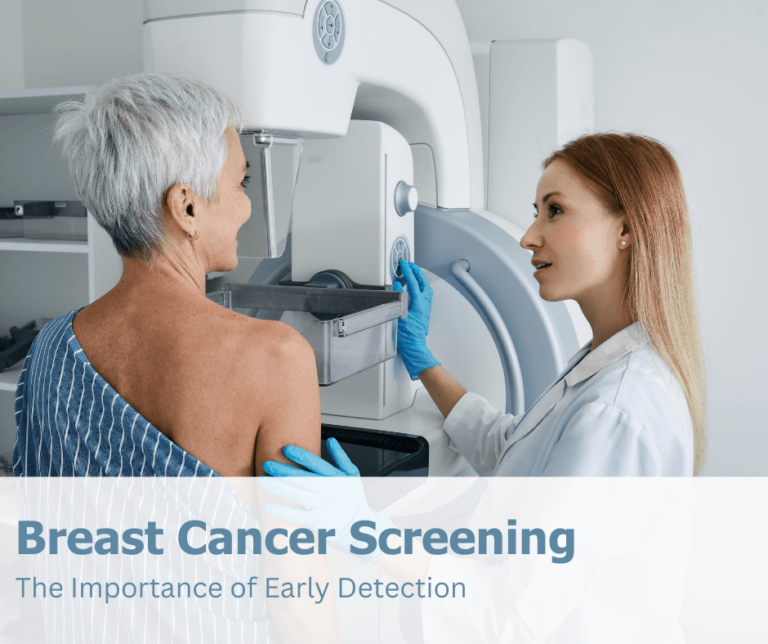
For many women, the thought of a mammogram can be intimidating, but knowing what to expect can ease any concerns. The procedure typically lasts about 20 minutes, and while it may be uncomfortable, it’s generally not painful. It’s a simple step that can save your life.
Myths vs. Facts About Breast Cancer Screening
There are several misconceptions about breast cancer screening. For instance, some believe that mammograms can cause cancer due to radiation exposure, but the radiation from a mammogram is minimal, and the benefits far outweigh the risks. Others think that only women with a family history of breast cancer need screening. In reality, most women diagnosed with breast cancer have no family history.
Take Charge of Your Health
Early detection is key. Talk to your doctor about your risk factors and develop a screening plan tailored to you. Don’t wait—schedule your mammogram today.

Learn about prostate cancer risks, symptoms, and when to get screened.

We were honored to welcome over 200 attendees to our Rise and Shine: Survivorship to Thrivership event. This Celebration of Life brought together patients, caregivers, families, and friends to connect, access resources, and support one another, no matter where they are in their cancer journey.

Learn the signs of breast cancer, the importance of screening, and how early detection can improve outcomes.

Learn about prostate cancer risks, symptoms, and when to get screened.

We were honored to welcome over 200 attendees to our Rise and Shine: Survivorship to Thrivership event. This Celebration of Life brought together patients, caregivers, families, and friends to connect, access resources, and support one another, no matter where they are in their cancer journey.

Learn the signs of breast cancer, the importance of screening, and how early detection can improve outcomes.

At cCARE, we are proud to provide Breast Cancer cancer care. May is a time for awareness, education, and prevention. Learn more about our approach by reading our latest blog.