
Honoring Caregivers: The Strength Behind Every Cancer Journey
February is a time to recognize the caregivers who stand beside patients through every stage of cancer care. From diagnosis to treatment and beyond, caregivers
Monday, January 19, 2026 – Closed
In observance of Martin Luther King Jr. Day.
1. Strong Support System
Having a trusted circle of family, friends, and caregivers can provide emotional and practical help. If you feel overwhelmed, lean on loved ones for support.
2. Join a Support Group
Connecting with others who understand your journey can be empowering. Many hospitals and cancer centers offer in-person or virtual support groups for patients and caregivers.
3. Consider Counseling or Therapy
A professional therapist specializing in cancer care can help you process emotions, reduce anxiety, and develop coping strategies.
4. Practice Self-Care
Taking care of your mind and body is essential.
– Mindfulness or meditation for stress relief
– Journaling to express emotions
– Gentle exercise to improve mood
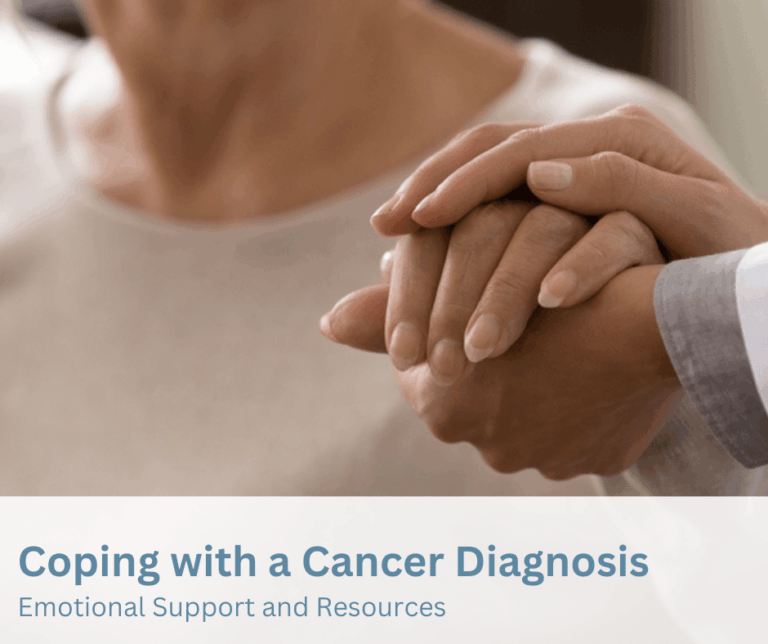
No one should face cancer alone. Seeking emotional support can help you navigate this journey with strength and resilience.

February is a time to recognize the caregivers who stand beside patients through every stage of cancer care. From diagnosis to treatment and beyond, caregivers

Follow-up appointments are an important part of staying healthy. Whether you’re managing a condition, monitoring progress, or simply keeping up with routine care, these visits help your healthcare team make sure everything is on track.

Cancer treatment can bring physical, emotional, and mental challenges. Feeling stressed or overwhelmed is completely normal, but there are simple, effective ways to help manage stress and maintain a sense of control during this time.

February is a time to recognize the caregivers who stand beside patients through every stage of cancer care. From diagnosis to treatment and beyond, caregivers

Follow-up appointments are an important part of staying healthy. Whether you’re managing a condition, monitoring progress, or simply keeping up with routine care, these visits help your healthcare team make sure everything is on track.

Cancer treatment can bring physical, emotional, and mental challenges. Feeling stressed or overwhelmed is completely normal, but there are simple, effective ways to help manage stress and maintain a sense of control during this time.

In early stages, cervical cancer may not cause noticeable symptoms. As it progresses, some signs may include: