

Spot the Signs — Know the Symptoms of Skin Cancer
Skin cancer is the most common form of cancer in the United States, and when detected early, it’s also one of the most treatable. That’s why knowing the warning signs and regularly checking your skin is so important.

Managing Stress Through Cancer Treatment
A cancer diagnosis brings more than just physical challenges—it also affects emotional and mental health. It’s completely normal to feel overwhelmed, anxious, or even scared. But managing stress throughout treatment can help improve your overall well-being and support healing.
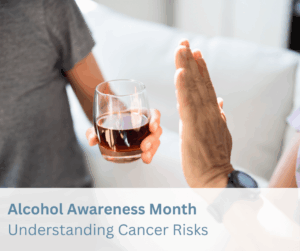
Alcohol Awareness and Cancer Prevention
April is Alcohol Awareness Month—an important time to understand how alcohol consumption affects cancer risk. Regular alcohol use is linked to an increased risk of cancers, including breast, liver, mouth, throat, and esophagus.
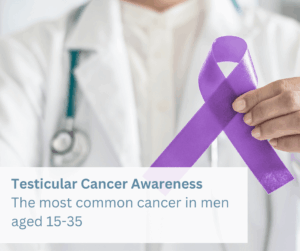
Testicular Cancer: Know the Signs, Catch It Early
Testicular cancer is the most common cancer in men between the ages of 15 and 35. While rare overall, it is highly treatable, especially when caught early.
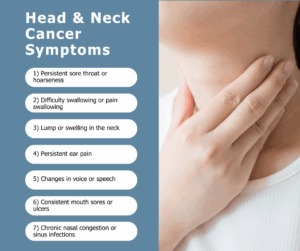
Head and Neck Cancer: Awareness, Symptoms, and Treatment
April is Head and Neck Cancer Awareness Month—a time to highlight cancers that affect the mouth, throat, voice box, nasal cavity, and sinuses. Though these cancers are less common than others, they can have a significant impact on daily life and long-term health.

Colon Cancer Awareness: Why Early Detection Matters
March is Colorectal Cancer Awareness Month, a time to highlight the importance of screening, prevention, and early detection. Colon cancer is the second leading cause of cancer-related deaths, yet it is also one of the most preventable cancers.

Recognizing the Symptoms of Colon Cancer: What You Need to Know
Colonrectal cancer is one of the most common cancers, but when detected early, it is highly treatable. Understanding the warning signs can help you take action before the disease progresses. We encourage everyone to be aware of these symptoms and prioritize regular screenings.
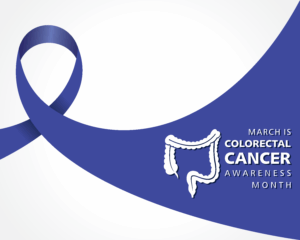
Colorectal Cancer Awareness: Know the Facts, Reduce Your Risk
Colorectal cancer is one of the most common cancers, yet it is also one of the most preventable and treatable when detected early. March is Colorectal Cancer Awareness Month, a time to raise awareness, encourage screenings, and promote healthy habits that can lower your risk.
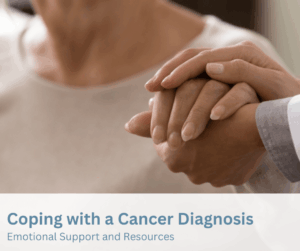
Coping with a Cancer Diagnosis
A cancer diagnosis can bring a wave of emotions—fear, anxiety, sadness, and even anger. While these feelings are normal, finding the right emotional support can make a significant difference in your journey.

Essential Questions to Ask Your Doctor About Prostate Cancer Treatment
Receiving a prostate cancer diagnosis can be overwhelming, but asking the right questions can help you make informed decisions about your care. Here are key questions to consider:

Supporting Mental Health During Cancer Treatment: Practical Tips and Strategies
Navigating the emotional challenges of a cancer diagnosis and treatment requires a proactive approach to mental well-being. We recognize that supporting your mental health is crucial for overall recovery and quality of life. Here’s how you can take steps to nurture your mental health during this time.
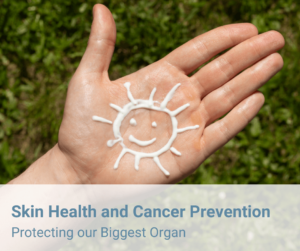
Protecting Our Biggest Organ: Skin Health and Cancer Prevention
Our skin is the body’s largest organ, serving as the first line of defense against environmental factors, regulating body temperature, and playing a crucial role in overall health. Taking proactive steps is essential for protecting your skin against skin cancer.

Small Lifestyle Changes to Reduce Cancer Risk
Cancer is a word that carries immense weight, affecting millions of lives every year. While it’s true that some risk factors are beyond our control, such as genetics, there are many ways we can actively reduce our risk of developing cancer. By making healthier choices in our daily lives, we can significantly lower our chances of encountering this devastating disease.

The Importance of Discussing Family History of Cancer
Understanding your family history of cancer is a vital step in cancer prevention, early detection, and effective treatment. Many cancers have genetic components, meaning they can be influenced by inherited genetic mutations. By discussing and knowing your family history, you can take proactive steps to manage your health and reduce your risk of developing cancer.

Prostate Cancer Health Tips
Prostate cancer is a serious health concern that affects millions of men worldwide. It’s a diagnosis no one wants to receive, but being armed with the right information and taking proactive steps can significantly improve outcomes and increase the chances of early detection. Below are some essential health tips to help you stay informed and take care of your prostate.
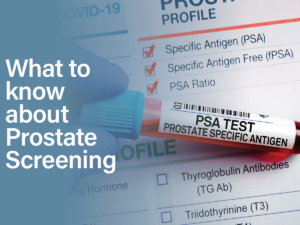
The Importance of Prostate Cancer Screening
Prostate cancer is one of the most common cancers among men. Early detection through screening can significantly improve outcomes. Here’s what you need to know about prostate cancer screening.
There are two primary tools for prostate cancer screening and when combined, these screening methods provide a comprehensive evaluation.

The 3 Common Cancers Affecting Men
Men’s Health Month is the perfect time to raise awareness about the health challenges men face and encourage proactive steps towards better health. Among the various health concerns, cancer stands out as a significant threat. The three most common cancers affecting men are prostate cancer, lung cancer, and colorectal cancer. Understanding these cancers, their risk factors, and preventive measures can help men take charge of their health.
Celebrating National Cancer Survivor Day
Today we celebrate National Cancer Survivors Day, honoring the strength and resilience of those who have faced cancer. This day is a testament to the human spirit and a reminder of the progress made in the fight against cancer.
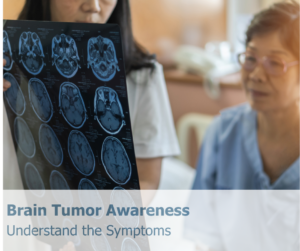
Brain Tumor Awareness
Understanding the risk factors associated with brain tumors is crucial, although it’s important to note that most brain tumors do not have a direct known cause. However, some factors that may increase the risk include: