
Holiday Hours

Monday, January 19, 2026 – Closed
In observance of Martin Luther King Jr. Day.

Cervical Cancer: Early Detection and Symptoms

Cervical Cancer: Early Detection and Symptoms

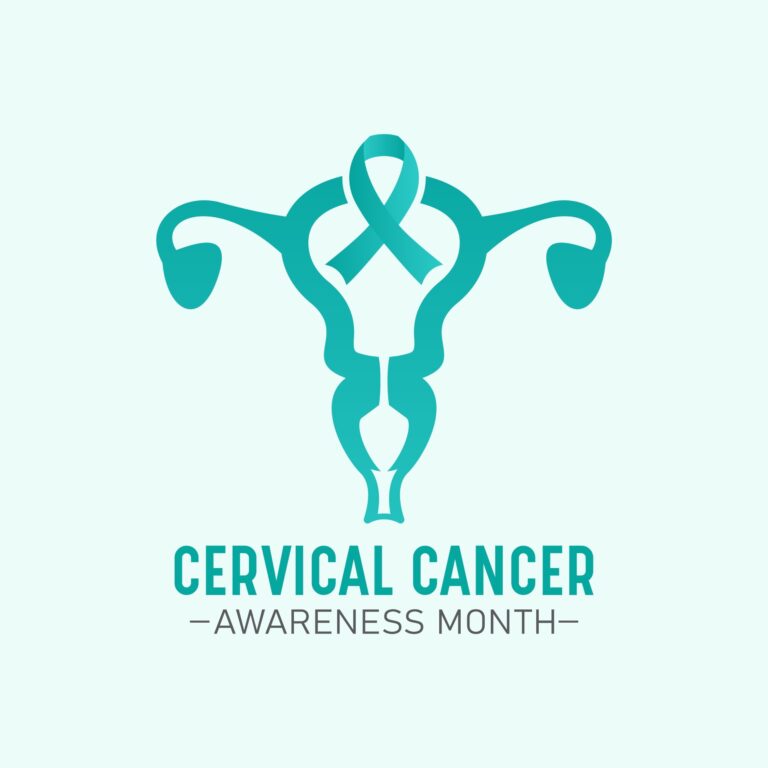
January is Cervical Cancer Awareness Month, a time to shed light on the importance of early detection and preventive measures for cervical cancer.

Cervical cancer occurs when abnormal cells in the cervix begin to grow uncontrollably. Though it is a serious diagnosis, it’s also one that can often be prevented or treated successfully when caught early.

What is Cervical Cancer?

Cervical cancer starts in the cells of the cervix—the lower part of the uterus that connects to the vagina. It’s primarily caused by persistent infection with certain types of human papillomavirus (HPV). Most HPV infections go away on their own, but in some cases, the virus can cause abnormal changes in cervical cells that lead to cancer over time.

Risk Factors

There are several risk factors associated with cervical cancer, including:

  • HPV Infection: The most significant risk factor. HPV is a group of more than 200 related viruses, some of which can lead to cervical cancer.
  • Smoking: Women who smoke are at a higher risk of developing cervical cancer.
  • Weakened Immune System: Conditions such as HIV or certain medications can weaken the immune system, increasing the risk.
  • Family History: A family history of cervical cancer can also raise your risk.

Symptoms

In the early stages, cervical cancer often has no noticeable symptoms. However, as the disease progresses, you may experience:

  • Abnormal vaginal bleeding (between periods, after sex, or after menopause)
  • Unusual vaginal discharge
  • Pain during intercourse
  • Pelvic pain

Why Early Detection Matters

Cervical cancer is highly preventable through early screening. Regular Pap smears (or Pap tests) can detect abnormal cells in the cervix before they develop into cancer. HPV tests can also detect high-risk HPV strains that may lead to cervical cancer.

Proactive steps like getting screened, practicing safe sex, and getting the HPV vaccine can significantly reduce the risk of cervical cancer.

Like What You See? Share With A Friend!

Latest Doctor's Blog Articles

thrive event photo

Rise and Shine: Survivorship to Thrivership Event Highlights

We were honored to welcome over 200 attendees to our Rise and Shine: Survivorship to Thrivership event. This Celebration of Life brought together patients, caregivers, families, and friends to connect, access resources, and support one another, no matter where they are in their cancer journey.

Read More »
thrive event photo

Rise and Shine: Survivorship to Thrivership Event Highlights

We were honored to welcome over 200 attendees to our Rise and Shine: Survivorship to Thrivership event. This Celebration of Life brought together patients, caregivers, families, and friends to connect, access resources, and support one another, no matter where they are in their cancer journey.

Read More »