
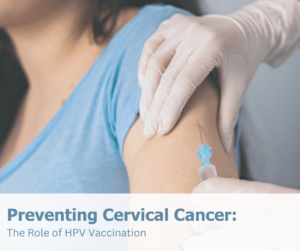
Cervical Cancer Prevention: The Role of HPV Vaccination
When it comes to preventing cervical cancer, the HPV vaccine is one of the most powerful tools available. Human papillomavirus (HPV) is a group of more than 200 related viruses, several of which are linked to the development of cervical cancer. The good news is that vaccination can protect against the most common types of HPV that cause cancer.
Cervical Cancer: Early Detection and Symptoms
January is Cervical Cancer Awareness Month, a time to shed light on the importance of early detection and preventive measures for cervical cancer. Cervical cancer occurs when abnormal cells in the cervix begin to grow uncontrollably. Though it is a serious diagnosis, it’s also one that can often be prevented or treated successfully when caught early.
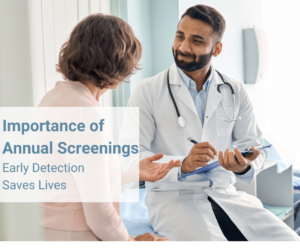
Understanding Cancer Screenings: Why Early Detection Matters
Cancer is most treatable when detected early, often before symptoms appear. Regular screenings are a critical part of preventive healthcare and can significantly increase the chances of successful treatment. Here’s what you need to know about the importance of cancer screenings:

Eating Well with Cancer During the Holidays
The holiday season is often filled with rich foods, festive gatherings, and indulgent treats. For individuals undergoing cancer treatment, maintaining a balanced diet can feel challenging but is an important part of supporting overall health and well-being. With a few mindful strategies, you can enjoy the season’s flavors while prioritizing your nutritional needs.
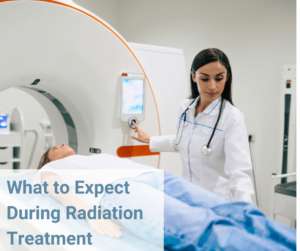
What to Expect: Radiation Therapy
Here’s an overview of what to expect during your radiation therapy journey:
Coping with Cancer During the Holidays
The holiday season is often associated with joy, celebration, and togetherness. However, for those navigating a cancer diagnosis, it can bring a mix of emotions—stress, sadness, and even anxiety. Balancing treatment, family gatherings, and self-care may feel overwhelming, but there are ways to make the season more manageable and meaningful.
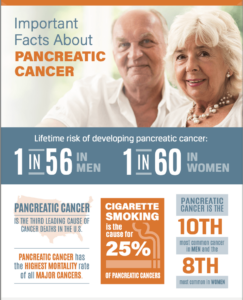
Hope and Progress in Pancreatic Cancer Treatment and Research
Pancreatic cancer has long been one of the most challenging cancers to treat, but advances in research, treatment, and advocacy are providing new hope. This Pancreatic Cancer Awareness Month, let’s focus on the importance of innovative treatment options and how we can support ongoing research for better patient outcomes.

Pancreatic Cancer – Understanding the Disease and Its Challenges
November is Pancreatic Cancer Awareness Month, a time to shine a light on one of the deadliest cancers that, despite its severity, receives limited attention. Pancreatic cancer is challenging to diagnose early, spreads quickly, and has a low survival rate. However, awareness and understanding can help in early detection and support ongoing research to improve outcomes.
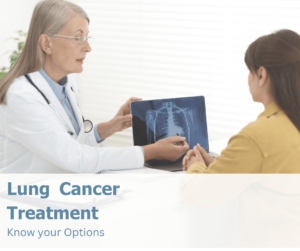
Lung Cancer Treatment Options
If you or a loved one is diagnosed with lung cancer, understanding treatment options is essential. Let’s explore the various ways lung cancer can be treated, offering hope and options for those affected.
Coping with Cancer During the Holidays
The holiday season is often associated with joy, celebration, and togetherness. However, for those navigating a cancer diagnosis, it can bring a mix of emotions—stress, sadness, and even anxiety. Balancing treatment, family gatherings, and self-care may feel overwhelming, but there are ways to make the season more manageable and meaningful.
Hope and Progress in Pancreatic Cancer Treatment and Research
Pancreatic cancer has long been one of the most challenging cancers to treat, but advances in research, treatment, and advocacy are providing new hope. This Pancreatic Cancer Awareness Month, let’s focus on the importance of innovative treatment options and how we can support ongoing research for better patient outcomes.
Pancreatic Cancer – Understanding the Disease and Its Challenges
November is Pancreatic Cancer Awareness Month, a time to shine a light on one of the deadliest cancers that, despite its severity, receives limited attention. Pancreatic cancer is challenging to diagnose early, spreads quickly, and has a low survival rate. However, awareness and understanding can help in early detection and support ongoing research to improve outcomes.
Lung Cancer Treatment Options
If you or a loved one is diagnosed with lung cancer, understanding treatment options is essential. Let’s explore the various ways lung cancer can be treated, offering hope and options for those affected.
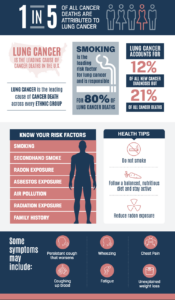
Lung Cancer Risk Factors and Prevention
Preventing lung cancer is possible with lifestyle adjustments, risk awareness, and screenings. Here’s what you need to know about the factors that increase lung cancer risk and how to reduce them.
Lung Cancer Awareness
Lung cancer is a leading cause of cancer deaths worldwide, and its early symptoms are often overlooked or mistaken for less serious conditions. In this post, we’ll discuss what lung cancer is, explore its types, and focus on understanding the symptoms, so individuals can recognize early warning signs.
The Importance of Discussing Family History in Breast Cancer Risk
Family history plays a critical role in understanding your risk of breast cancer. Open discussions with both your family and healthcare provider can provide essential insights that could save lives.

Treatment Options for Breast Cancer
A breast cancer diagnosis can be overwhelming, but today’s medical advances offer many treatment options tailored to each patient’s unique needs.
Understanding Breast Cancer Symptoms: What to Look For and When to Seek Help
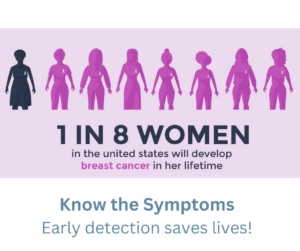
Breast cancer is one of the most common cancers affecting women worldwide. Early detection can significantly improve treatment outcomes, so it’s crucial to be aware of the symptoms and know when to seek medical attention. In this blog, we’ll discuss the key signs and symptoms of breast cancer, helping you stay informed and proactive about your breast health.
Understanding the Risk Factors for Breast Cancer
Breast cancer can affect anyone, but some individuals are at a higher risk than others. Understanding your risk factors is a critical step in prevention and early detection. In this second part of our Breast Cancer Awareness Month blog series, we’ll dive into the various factors that can increase the likelihood of developing breast cancer.