
Hope and Progress in Pancreatic Cancer Treatment and Research

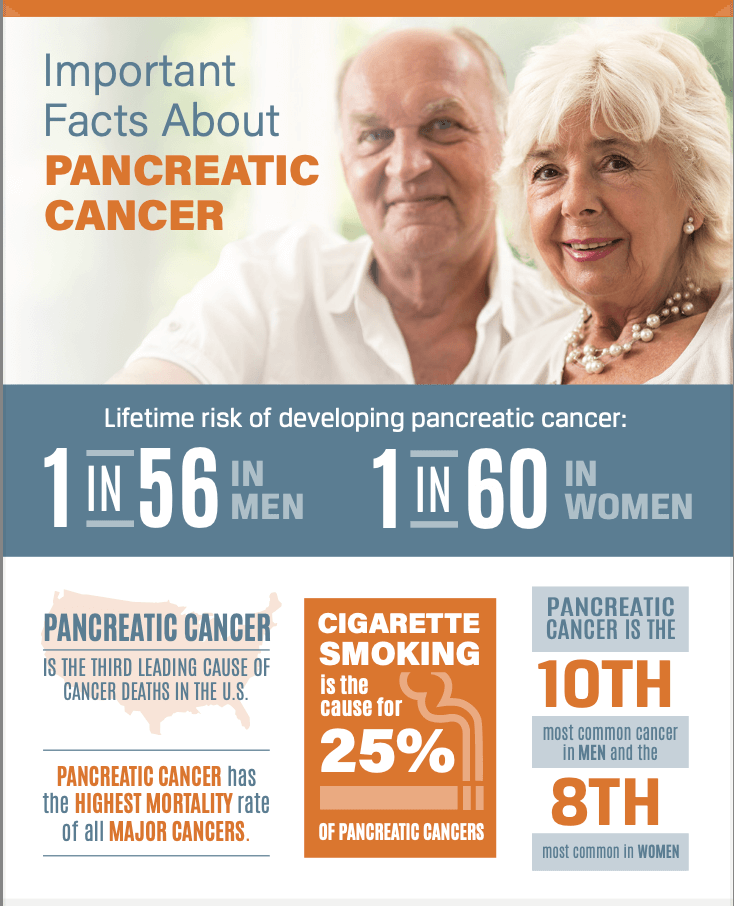
important facts about pancreatic cancer

Pancreatic cancer has long been one of the most challenging cancers to treat, but advances in research, treatment, and advocacy are providing new hope.

This Pancreatic Cancer Awareness Month, let’s focus on the importance of innovative treatment options and how we can support ongoing research for better patient outcomes.

Current Treatment Options for Pancreatic Cancer

Treatment for pancreatic cancer depends on the stage of the disease, the patient’s health, and whether the cancer is operable. Here’s an overview of the primary treatment methods:

  1. Surgery
    Surgery offers the best chance for a cure, but it’s only an option if the cancer is diagnosed in its early stages and hasn’t spread. Common procedures include:


    • Whipple Procedure (Pancreaticoduodenectomy): Removal of the pancreas head, part of the small intestine, and other nearby structures.
    • Distal or Total Pancreatectomy: Partial or full removal of the pancreas.
  2. Radiation Therapy
    Radiation uses high-energy beams to target cancer cells. It may be used before surgery to shrink a tumor or after surgery to destroy remaining cancer cells.
  3. Chemotherapy
    Chemotherapy, often used in combination with other treatments, targets cancer cells throughout the body. Advanced pancreatic cancer patients may receive chemotherapy to slow the disease’s progression.
  4. Targeted Therapy and Immunotherapy
    Advances in targeted therapies and immunotherapy are showing promise for some pancreatic cancers, particularly those with specific genetic mutations.

The Importance of Clinical Trials

Clinical trials are essential in pancreatic cancer research, as they provide patients with access to the latest treatment innovations. Trials focus on understanding genetic factors, testing new drugs, and improving early detection methods. Patients and families can ask their doctors about available clinical trials as a potential treatment option.

Lifestyle Choices for Prevention and Health Management

While there is no guaranteed way to prevent pancreatic cancer, certain lifestyle choices can reduce risk:

  • Quit Smoking: Smoking is a significant risk factor, and quitting can substantially lower cancer risk.
  • Maintain a Healthy Weight: Obesity is linked to higher pancreatic cancer risk, so a balanced diet and regular exercise are important.
  • Limit Alcohol Intake: Excessive alcohol can lead to chronic pancreatitis, which increases pancreatic cancer risk.
  • Stay Informed: Individuals with a family history of pancreatic cancer should consider genetic counseling and discuss early screening options with a healthcare provider.

Like What You See? Share With A Friend!

Latest Doctor's Blog Articles

breast cancer know your options image

Breast Cancer: The Importance of Early Detection and Care

Breast cancer is one of the most common cancers affecting individuals worldwide, yet advancements in screening and treatment continue to improve outcomes and save lives. Understanding what breast cancer is, how it is detected, and what treatment options are available can empower individuals to take an active role in their health.


Read More »
womens health image

Advancing Women’s Health in Cancer Care: Prevention, Early Detection, and Personalized Treatment

Women’s health is complex, evolving, and deeply personal especially when it comes to cancer. From breast and ovarian cancers to cervical, uterine, and colorectal cancers, women face a range of risks that require specialized knowledge, compassionate care, and coordinated support. We are dedicated to providing comprehensive, patient-centered care designed specifically for women at every stage of life.

Read More »
cCARE-relay

Relay for Life

cCARE is proud to sponsor the American Cancer Society’s Relay for Life in Carlsbad, CA on August 22-23. This year’s event holds special meaning for our cCARE family. Alicia Shell, cCARE’s Vice President of Operations, and her family have created a team in memory of her husband, Matt Shell, who courageously battled lung cancer and passed away on May 29, 2026.

Read More »
breast cancer know your options image

Breast Cancer: The Importance of Early Detection and Care

Breast cancer is one of the most common cancers affecting individuals worldwide, yet advancements in screening and treatment continue to improve outcomes and save lives. Understanding what breast cancer is, how it is detected, and what treatment options are available can empower individuals to take an active role in their health.

Read More »
womens health image

Advancing Women’s Health in Cancer Care: Prevention, Early Detection, and Personalized Treatment

Women’s health is complex, evolving, and deeply personal especially when it comes to cancer. From breast and ovarian cancers to cervical, uterine, and colorectal cancers, women face a range of risks that require specialized knowledge, compassionate care, and coordinated support. We are dedicated to providing comprehensive, patient-centered care designed specifically for women at every stage of life.

Read More »
cCARE-relay

Relay for Life

cCARE is proud to sponsor the American Cancer Society’s Relay for Life in Carlsbad, CA on August 22-23. This year’s event holds special meaning for our cCARE family. Alicia Shell, cCARE’s Vice President of Operations, and her family have created a team in memory of her husband, Matt Shell, who courageously battled lung cancer and passed away on May 29, 2026.

Read More »
prostate health image

Prostate Health: What Every Man Should Know

Prostate health is a vital yet often overlooked aspect of men’s overall well-being. As men age, the prostate, a small gland located below the bladder, can become more susceptible to conditions such as benign prostatic hyperplasia (BPH), prostatitis, and prostate cancer. Understanding the importance of prevention, early detection, and healthy habits can empower individuals to take proactive steps toward long-term health.

Read More »