

Protecting Our Biggest Organ: Skin Health and Cancer Prevention
Our skin is the body’s largest organ, serving as the first line of defense against environmental factors, regulating body temperature, and playing a crucial role in overall health. Taking proactive steps is essential for protecting your skin against skin cancer.

Small Lifestyle Changes to Reduce Cancer Risk
Cancer is a word that carries immense weight, affecting millions of lives every year. While it’s true that some risk factors are beyond our control, such as genetics, there are many ways we can actively reduce our risk of developing cancer. By making healthier choices in our daily lives, we can significantly lower our chances of encountering this devastating disease.
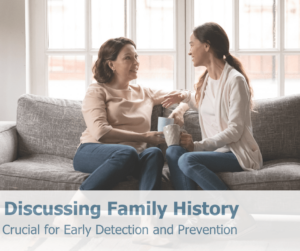
The Importance of Discussing Family History of Cancer
Understanding your family history of cancer is a vital step in cancer prevention, early detection, and effective treatment. Many cancers have genetic components, meaning they can be influenced by inherited genetic mutations. By discussing and knowing your family history, you can take proactive steps to manage your health and reduce your risk of developing cancer.

Prostate Cancer Health Tips
Prostate cancer is a serious health concern that affects millions of men worldwide. It’s a diagnosis no one wants to receive, but being armed with the right information and taking proactive steps can significantly improve outcomes and increase the chances of early detection. Below are some essential health tips to help you stay informed and take care of your prostate.

The Importance of Prostate Cancer Screening
Prostate cancer is one of the most common cancers among men. Early detection through screening can significantly improve outcomes. Here’s what you need to know about prostate cancer screening.
There are two primary tools for prostate cancer screening and when combined, these screening methods provide a comprehensive evaluation.

The 3 Common Cancers Affecting Men
Men’s Health Month is the perfect time to raise awareness about the health challenges men face and encourage proactive steps towards better health. Among the various health concerns, cancer stands out as a significant threat. The three most common cancers affecting men are prostate cancer, lung cancer, and colorectal cancer. Understanding these cancers, their risk factors, and preventive measures can help men take charge of their health.
Celebrating National Cancer Survivor Day
Today we celebrate National Cancer Survivors Day, honoring the strength and resilience of those who have faced cancer. This day is a testament to the human spirit and a reminder of the progress made in the fight against cancer.
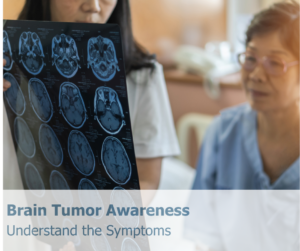
Brain Tumor Awareness
Understanding the risk factors associated with brain tumors is crucial, although it’s important to note that most brain tumors do not have a direct known cause. However, some factors that may increase the risk include:

Prioritizing Mental Health Through Cancer
Mental Health Awareness Month is a crucial time to highlight the psychological impact of chronic illnesses, including cancer. The diagnosis, treatment, and ongoing management of cancer can have significant emotional and psychological effects, not only on patients but also on their families and caregivers. Addressing the mental health needs of those affected by cancer is vital for comprehensive care.

Breast Cancer: The Importance of Early Detection and Care
Breast cancer is one of the most common cancers affecting individuals worldwide, yet advancements in screening and treatment continue to improve outcomes and save lives. Understanding what breast cancer is, how it is detected, and what treatment options are available can empower individuals to take an active role in their health.

Advancing Women’s Health in Cancer Care: Prevention, Early Detection, and Personalized Treatment
Women’s health is complex, evolving, and deeply personal especially when it comes to cancer. From breast and ovarian cancers to cervical, uterine, and colorectal cancers, women face a range of risks that require specialized knowledge, compassionate care, and coordinated support. We are dedicated to providing comprehensive, patient-centered care designed specifically for women at every stage of life.

Relay for Life
cCARE is proud to sponsor the American Cancer Society’s Relay for Life in Carlsbad, CA on August 22-23. This year’s event holds special meaning for our cCARE family. Alicia Shell, cCARE’s Vice President of Operations, and her family have created a team in memory of her husband, Matt Shell, who courageously battled lung cancer and passed away on May 29, 2026.

Prostate Health: What Every Man Should Know
Prostate health is a vital yet often overlooked aspect of men’s overall well-being. As men age, the prostate, a small gland located below the bladder, can become more susceptible to conditions such as benign prostatic hyperplasia (BPH), prostatitis, and prostate cancer. Understanding the importance of prevention, early detection, and healthy habits can empower individuals to take proactive steps toward long-term health.

Prostate Cancer: Understanding Risk and Screening
Learn about prostate cancer risks, symptoms, and when to get screened.

Rise and Shine: Survivorship to Thrivership Event Highlights
We were honored to welcome over 200 attendees to our Rise and Shine: Survivorship to Thrivership event. This Celebration of Life brought together patients, caregivers, families, and friends to connect, access resources, and support one another, no matter where they are in their cancer journey.

Breast Cancer Awareness: Signs, Screening, and Early Detection
Learn the signs of breast cancer, the importance of screening, and how early detection can improve outcomes.

Breast Care at cCARE: What Patients Should Know
At cCARE, we are proud to provide Breast Cancer cancer care. May is a time for awareness, education, and prevention. Learn more about our approach by reading our latest blog.

Compassionate Care at cCARE: What Patients Should Know
At cCARE, we are proud to provide trusted cancer care in our community. May is a time for awareness, education, and prevention. Learn more about our approach by reading our latest blog.

Why Follow-Up Matters
Follow-up appointments are an important part of staying healthy. Whether you’re managing a condition, monitoring progress, or simply keeping up with routine care, these visits help your healthcare team make sure everything is on track.