
Honoring Caregivers: The Strength Behind Every Cancer Journey
February is a time to recognize the caregivers who stand beside patients through every stage of cancer care. From diagnosis to treatment and beyond, caregivers
Monday, January 19, 2026 – Closed
In observance of Martin Luther King Jr. Day.
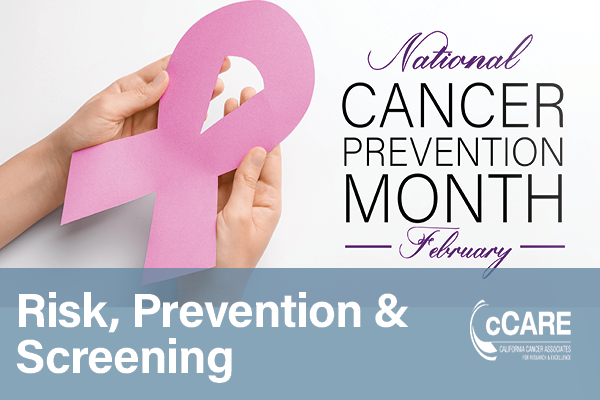
Lifestyle choices, environmental influences, genetics, and other variables can increase your risk of cancer. Understanding risk factors is critical to help prevent cancer.
Lifestyle choices such as tobacco use, poor diet, physical inactivity, and exposure to the sun can significantly influence your cancer risk. Understanding the impact of these factors empowers individuals to adopt healthier lifestyles and minimize their cancer risk.
Genetics plays a pivotal role in certain types of cancer. By recognizing hereditary cancer patterns and understanding genetic risk factors, patients can have discussions with their healthcare providers and consider genetic testing when appropriate.
Armed with knowledge about cancer risk factors, you can make proactive choices to reduce your cancer risk. Adopting healthier habits can help reduce your cancer risk.
Together, let’s take steps towards reducing the impact of cancer in our lives and communities. Our healthcare providers are here to help. Contact us to learn more about our services.

February is a time to recognize the caregivers who stand beside patients through every stage of cancer care. From diagnosis to treatment and beyond, caregivers

Follow-up appointments are an important part of staying healthy. Whether you’re managing a condition, monitoring progress, or simply keeping up with routine care, these visits help your healthcare team make sure everything is on track.

Cancer treatment can bring physical, emotional, and mental challenges. Feeling stressed or overwhelmed is completely normal, but there are simple, effective ways to help manage stress and maintain a sense of control during this time.

February is a time to recognize the caregivers who stand beside patients through every stage of cancer care. From diagnosis to treatment and beyond, caregivers

Follow-up appointments are an important part of staying healthy. Whether you’re managing a condition, monitoring progress, or simply keeping up with routine care, these visits help your healthcare team make sure everything is on track.

Cancer treatment can bring physical, emotional, and mental challenges. Feeling stressed or overwhelmed is completely normal, but there are simple, effective ways to help manage stress and maintain a sense of control during this time.

In early stages, cervical cancer may not cause noticeable symptoms. As it progresses, some signs may include: