

Coping With Fatigue During Cancer Treatment

coping with fatigue

Fatigue is one of the most common—and frustrating—side effects of cancer treatment. It’s more than feeling tired; it’s a profound lack of energy that rest alone can’t fix. The good news: there are proven strategies to help.

What Causes Treatment-Related Fatigue?

  • Chemotherapy or radiation effects on healthy cells
  • Anemia
  • Stress or anxiety
  • Sleep disruptions
  • Changes in appetite or nutritional intake


Ways to Manage Fatigue

  • Prioritize rest without oversleeping
  • Stay gently active with walking or stretching
  • Eat small, balanced meals throughout the day
  • Ask for help with daily tasks
  • Practice mindfulness or relaxation techniques


If fatigue becomes overwhelming or interrupts daily life, talk with your care team. Sometimes fatigue can indicate anemia or other medical needs that can be treated.

Like What You See? Share With A Friend!

Latest Doctor's Blog Articles

breast cancer know your options image

Breast Cancer: The Importance of Early Detection and Care

Breast cancer is one of the most common cancers affecting individuals worldwide, yet advancements in screening and treatment continue to improve outcomes and save lives. Understanding what breast cancer is, how it is detected, and what treatment options are available can empower individuals to take an active role in their health.

Read More »
womens health image

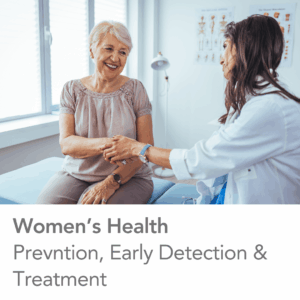
Advancing Women’s Health in Cancer Care: Prevention, Early Detection, and Personalized Treatment

Women’s health is complex, evolving, and deeply personal especially when it comes to cancer. From breast and ovarian cancers to cervical, uterine, and colorectal cancers, women face a range of risks that require specialized knowledge, compassionate care, and coordinated support. We are dedicated to providing comprehensive, patient-centered care designed specifically for women at every stage of life.

Read More »
cCARE-relay

Relay for Life

cCARE is proud to sponsor the American Cancer Society’s Relay for Life in Carlsbad, CA on August 22-23. This year’s event holds special meaning for our cCARE family. Alicia Shell, cCARE’s Vice President of Operations, and her family have created a team in memory of her husband, Matt Shell, who courageously battled lung cancer and passed away on May 29, 2026.

Read More »
breast cancer know your options image

Breast Cancer: The Importance of Early Detection and Care

Breast cancer is one of the most common cancers affecting individuals worldwide, yet advancements in screening and treatment continue to improve outcomes and save lives. Understanding what breast cancer is, how it is detected, and what treatment options are available can empower individuals to take an active role in their health.

Read More »
womens health image

Advancing Women’s Health in Cancer Care: Prevention, Early Detection, and Personalized Treatment

Women’s health is complex, evolving, and deeply personal especially when it comes to cancer. From breast and ovarian cancers to cervical, uterine, and colorectal cancers, women face a range of risks that require specialized knowledge, compassionate care, and coordinated support. We are dedicated to providing comprehensive, patient-centered care designed specifically for women at every stage of life.

Read More »
cCARE-relay

Relay for Life

cCARE is proud to sponsor the American Cancer Society’s Relay for Life in Carlsbad, CA on August 22-23. This year’s event holds special meaning for our cCARE family. Alicia Shell, cCARE’s Vice President of Operations, and her family have created a team in memory of her husband, Matt Shell, who courageously battled lung cancer and passed away on May 29, 2026.

Read More »
prostate health image

Prostate Health: What Every Man Should Know

Prostate health is a vital yet often overlooked aspect of men’s overall well-being. As men age, the prostate, a small gland located below the bladder, can become more susceptible to conditions such as benign prostatic hyperplasia (BPH), prostatitis, and prostate cancer. Understanding the importance of prevention, early detection, and healthy habits can empower individuals to take proactive steps toward long-term health.

Read More »