
Honoring Caregivers: The Strength Behind Every Cancer Journey
February is a time to recognize the caregivers who stand beside patients through every stage of cancer care. From diagnosis to treatment and beyond, caregivers
Monday, January 19, 2026 – Closed
In observance of Martin Luther King Jr. Day.
These cancers affect the reproductive organs and can have a profound impact on women’s health. At cCARE, we are committed to educating women about these cancers, promoting early detection, and providing comprehensive care for those affected.
Understanding Gynecologic Cancers
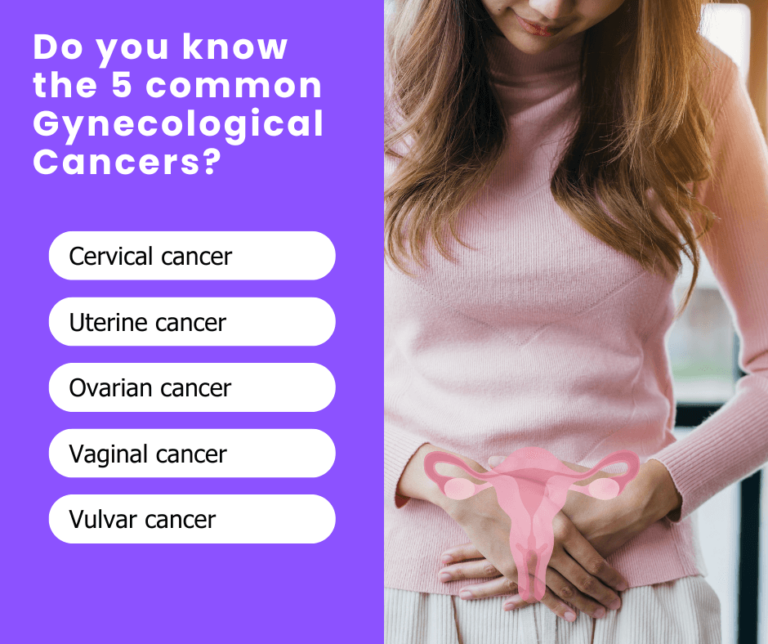
Gynecologic cancers can develop in different parts of a woman’s reproductive system. Each type has its own set of risk factors, symptoms, and treatment options:
The Importance of Early Detection
Early detection is crucial in the fight against gynecologic cancers. When these cancers are found at an early stage, treatment is more likely to be successful. Unfortunately, many gynecologic cancers do not have effective screening tests, making awareness of symptoms and risk factors all the more important.
Women should be vigilant about any changes in their bodies and report unusual symptoms, such as abnormal bleeding, pelvic pain, or changes in bowel or bladder habits, to their healthcare provider.
Risk Factors to Consider
While any woman can develop gynecologic cancer, certain factors can increase the risk:
Preventive Measures and Screenings
There are several steps women can take to reduce their risk of gynecologic cancers:
Gynecologic Cancer Awareness Month is a time to empower women with the knowledge they need to protect their health. By understanding the risks, recognizing symptoms, and advocating for regular screenings, we can work together to reduce the impact of these cancers.
We are here to provide the highest quality care for women affected by gynecologic cancers. Whether you have questions about screening, treatment, or support, our team is ready to help you every step of the way.

February is a time to recognize the caregivers who stand beside patients through every stage of cancer care. From diagnosis to treatment and beyond, caregivers

Follow-up appointments are an important part of staying healthy. Whether you’re managing a condition, monitoring progress, or simply keeping up with routine care, these visits help your healthcare team make sure everything is on track.

Cancer treatment can bring physical, emotional, and mental challenges. Feeling stressed or overwhelmed is completely normal, but there are simple, effective ways to help manage stress and maintain a sense of control during this time.

February is a time to recognize the caregivers who stand beside patients through every stage of cancer care. From diagnosis to treatment and beyond, caregivers

Follow-up appointments are an important part of staying healthy. Whether you’re managing a condition, monitoring progress, or simply keeping up with routine care, these visits help your healthcare team make sure everything is on track.

Cancer treatment can bring physical, emotional, and mental challenges. Feeling stressed or overwhelmed is completely normal, but there are simple, effective ways to help manage stress and maintain a sense of control during this time.

In early stages, cervical cancer may not cause noticeable symptoms. As it progresses, some signs may include: