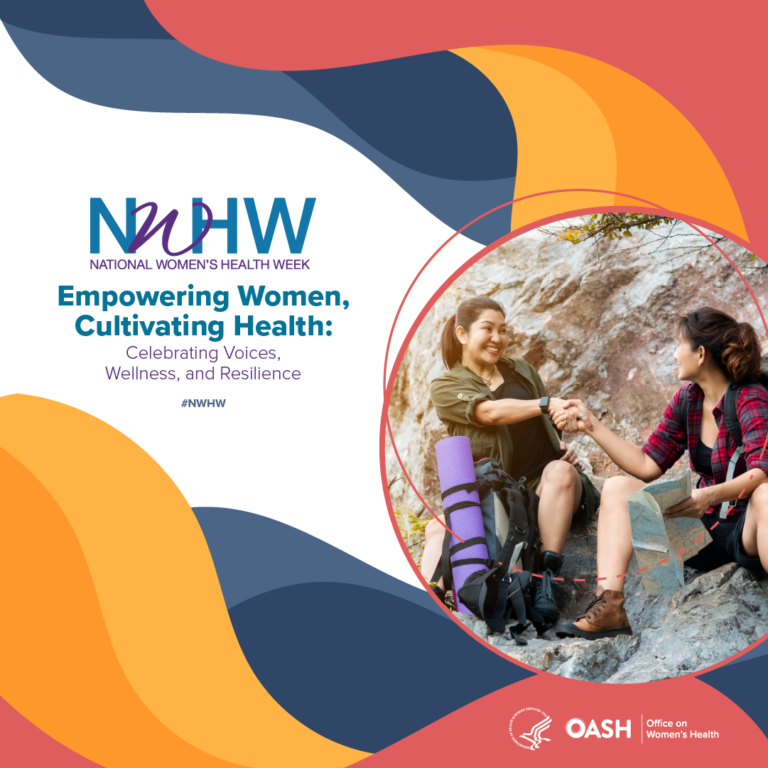

National Women’s Health Week

National Women's Health Week

National Women’s Health Week serves as a reminder to prioritize their physical and mental health, and overall well-being

This week aims to highlight women’s health issues and priorities and encourage women of all ages to prioritize their physical, mental, and emotional well-being. Join us in this uplifting journey as we dive into everything that makes women’s health so important.

The focus is on the unique health challenges women face, and the aim is to empower women to make their health a top priority and help them understand what steps they can take to improve their health. Here’s how you can participate, raise awareness, and make the most of this important week.

Tips for Participating in Women’s Health Week

  1. Schedule a Check-Up
    • Use this week as a reminder to schedule or attend regular check-ups. Whether it’s a general physical, a mammogram, or a reproductive health exam, staying on top of your screenings is critical for early detection of potential health issues.
  2. Stay Active
    • Regular physical activity is one of the most important things you can do for your health. It can help prevent several diseases, including heart disease, cancer, and stroke. Aim for at least 150 minutes of moderate-intensity aerobic activity or 75 minutes of vigorous activity each week.
  3. Eat Well
    • A balanced diet rich in fruits, vegetables, lean proteins, and whole grains is essential for good health. Reduce your intake of processed foods, sugar, and saturated fats to boost overall health and energy.
  4. Focus on Mental Health
    • Mental health is as vital as physical health, and it’s important to take time to relax and recharge. Consider activities like yoga, meditation, or just spending time on a hobby you love.
  5. Educate Yourself on Health Issues Affecting Women
    • Take time to read up on issues like breast cancer, cervical cancer, mental health, and heart health. Understanding these can help you make informed decisions about your health.

Preventive Care Importance

Preventive care is a key focus during Women’s Health Week. It’s about more than just avoiding illness; it’s about keeping healthy, living longer, and being proactive about your health. This includes:

  • Regular screenings for breast and cervical cancer.
  • Vaccinations that are important for women.
  • Discussion about family planning and safe sex practices.
  • Comprehensive checks for cholesterol levels, blood pressure, and more.


Women’s Health Week is more than a seven-day observance; it’s a reminder that women’s health matters every day. By taking steps to improve your health, advocating for necessary health services, and educating yourself and others, you can make a lasting impact on your well-being and that of other women in your community. Let’s use this week to celebrate health, spread awareness, and take action towards a healthier future for all women.

Like What You See? Share With A Friend!

Latest Doctor's Blog Articles

breast cancer know your options image

Breast Cancer: The Importance of Early Detection and Care

Breast cancer is one of the most common cancers affecting individuals worldwide, yet advancements in screening and treatment continue to improve outcomes and save lives. Understanding what breast cancer is, how it is detected, and what treatment options are available can empower individuals to take an active role in their health.

Read More »
womens health image

Advancing Women’s Health in Cancer Care: Prevention, Early Detection, and Personalized Treatment

Women’s health is complex, evolving, and deeply personal especially when it comes to cancer. From breast and ovarian cancers to cervical, uterine, and colorectal cancers, women face a range of risks that require specialized knowledge, compassionate care, and coordinated support. We are dedicated to providing comprehensive, patient-centered care designed specifically for women at every stage of life.

Read More »
cCARE-relay

Relay for Life

cCARE is proud to sponsor the American Cancer Society’s Relay for Life in Carlsbad, CA on August 22-23. This year’s event holds special meaning for our cCARE family. Alicia Shell, cCARE’s Vice President of Operations, and her family have created a team in memory of her husband, Matt Shell, who courageously battled lung cancer and passed away on May 29, 2026.

Read More »
breast cancer know your options image

Breast Cancer: The Importance of Early Detection and Care

Breast cancer is one of the most common cancers affecting individuals worldwide, yet advancements in screening and treatment continue to improve outcomes and save lives. Understanding what breast cancer is, how it is detected, and what treatment options are available can empower individuals to take an active role in their health.

Read More »
womens health image

Advancing Women’s Health in Cancer Care: Prevention, Early Detection, and Personalized Treatment

Women’s health is complex, evolving, and deeply personal especially when it comes to cancer. From breast and ovarian cancers to cervical, uterine, and colorectal cancers, women face a range of risks that require specialized knowledge, compassionate care, and coordinated support. We are dedicated to providing comprehensive, patient-centered care designed specifically for women at every stage of life.

Read More »
cCARE-relay

Relay for Life

cCARE is proud to sponsor the American Cancer Society’s Relay for Life in Carlsbad, CA on August 22-23. This year’s event holds special meaning for our cCARE family. Alicia Shell, cCARE’s Vice President of Operations, and her family have created a team in memory of her husband, Matt Shell, who courageously battled lung cancer and passed away on May 29, 2026.

Read More »
prostate health image

Prostate Health: What Every Man Should Know

Prostate health is a vital yet often overlooked aspect of men’s overall well-being. As men age, the prostate, a small gland located below the bladder, can become more susceptible to conditions such as benign prostatic hyperplasia (BPH), prostatitis, and prostate cancer. Understanding the importance of prevention, early detection, and healthy habits can empower individuals to take proactive steps toward long-term health.

Read More »