
Honoring Caregivers: The Strength Behind Every Cancer Journey
February is a time to recognize the caregivers who stand beside patients through every stage of cancer care. From diagnosis to treatment and beyond, caregivers
Monday, January 19, 2026 – Closed
In observance of Martin Luther King Jr. Day.
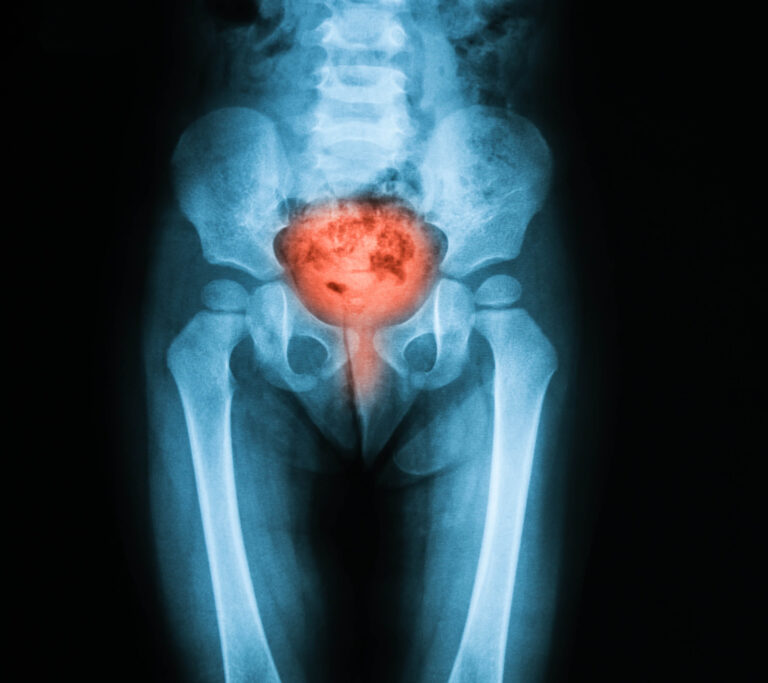
What Is Bladder Cancer?
Bladder cancer begins when cells in the bladder lining start to grow uncontrollably. Most cases are diagnosed at an early stage, when the disease is highly treatable. However, even early-stage bladder cancer may recur, which is why routine follow-up is essential.
Common Symptoms of Bladder Cancer
Recognizing the warning signs is the first step toward getting timely care. Symptoms can include:
If you experience any of these symptoms, especially blood in your urine, contact your healthcare provider. These symptoms may also be caused by non-cancerous conditions like infections, but it’s important to speak with your provider.
Who’s at Risk?
While anyone can develop bladder cancer, several risk factors may increase your likelihood:
How Is Bladder Cancer Diagnosed?
Diagnosis typically begins with a review of symptoms and medical history, followed by:
Next Steps After a Diagnosis
If you’re diagnosed with bladder cancer, your treatment plan will depend on the type, stage, and overall health. Treatment may include:
Many bladder cancers are detected early and are highly treatable. Regular monitoring after treatment is important, as the cancer can come back.
Take Charge of Your Health
Bladder cancer can be a serious condition, but early detection and prompt treatment offer the best chance for recovery. Pay attention to your body, know the symptoms, and don’t hesitate to talk to your provider about any concerns.
If you’re experiencing symptoms or have risk factors for bladder cancer, schedule a consultation today. Our team is here to support you with expert care every step of the way.

February is a time to recognize the caregivers who stand beside patients through every stage of cancer care. From diagnosis to treatment and beyond, caregivers

Follow-up appointments are an important part of staying healthy. Whether you’re managing a condition, monitoring progress, or simply keeping up with routine care, these visits help your healthcare team make sure everything is on track.

Cancer treatment can bring physical, emotional, and mental challenges. Feeling stressed or overwhelmed is completely normal, but there are simple, effective ways to help manage stress and maintain a sense of control during this time.

February is a time to recognize the caregivers who stand beside patients through every stage of cancer care. From diagnosis to treatment and beyond, caregivers

Follow-up appointments are an important part of staying healthy. Whether you’re managing a condition, monitoring progress, or simply keeping up with routine care, these visits help your healthcare team make sure everything is on track.

Cancer treatment can bring physical, emotional, and mental challenges. Feeling stressed or overwhelmed is completely normal, but there are simple, effective ways to help manage stress and maintain a sense of control during this time.

In early stages, cervical cancer may not cause noticeable symptoms. As it progresses, some signs may include: