

Breast Cancer: The Importance of Early Detection and Care
Breast cancer is one of the most common cancers affecting individuals worldwide, yet advancements in screening and treatment continue to improve outcomes and save lives. Understanding what breast cancer is, how it is detected, and what treatment options are available can empower individuals to take an active role in their health.

Advancing Women’s Health in Cancer Care: Prevention, Early Detection, and Personalized Treatment
Women’s health is complex, evolving, and deeply personal especially when it comes to cancer. From breast and ovarian cancers to cervical, uterine, and colorectal cancers, women face a range of risks that require specialized knowledge, compassionate care, and coordinated support. We are dedicated to providing comprehensive, patient-centered care designed specifically for women at every stage of life.

Relay for Life
cCARE is proud to sponsor the American Cancer Society’s Relay for Life in Carlsbad, CA on August 22-23. This year’s event holds special meaning for our cCARE family. Alicia Shell, cCARE’s Vice President of Operations, and her family have created a team in memory of her husband, Matt Shell, who courageously battled lung cancer and passed away on May 29, 2026.

Prostate Health: What Every Man Should Know
Prostate health is a vital yet often overlooked aspect of men’s overall well-being. As men age, the prostate, a small gland located below the bladder, can become more susceptible to conditions such as benign prostatic hyperplasia (BPH), prostatitis, and prostate cancer. Understanding the importance of prevention, early detection, and healthy habits can empower individuals to take proactive steps toward long-term health.

Prostate Cancer: Understanding Risk and Screening
Learn about prostate cancer risks, symptoms, and when to get screened.

Rise and Shine: Survivorship to Thrivership Event Highlights
We were honored to welcome over 200 attendees to our Rise and Shine: Survivorship to Thrivership event. This Celebration of Life brought together patients, caregivers, families, and friends to connect, access resources, and support one another, no matter where they are in their cancer journey.

Breast Cancer Awareness: Signs, Screening, and Early Detection
Learn the signs of breast cancer, the importance of screening, and how early detection can improve outcomes.

Breast Care at cCARE: What Patients Should Know
At cCARE, we are proud to provide Breast Cancer cancer care. May is a time for awareness, education, and prevention. Learn more about our approach by reading our latest blog.

Compassionate Care at cCARE: What Patients Should Know
At cCARE, we are proud to provide trusted cancer care in our community. May is a time for awareness, education, and prevention. Learn more about our approach by reading our latest blog.
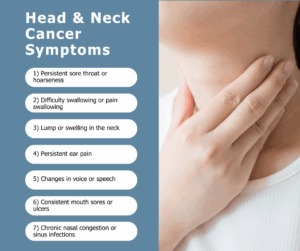
Head and Neck Cancer: Awareness, Symptoms, and Treatment
April is Head and Neck Cancer Awareness Month—a time to highlight cancers that affect the mouth, throat, voice box, nasal cavity, and sinuses. Though these cancers are less common than others, they can have a significant impact on daily life and long-term health.

Colon Cancer Awareness: Why Early Detection Matters
March is Colorectal Cancer Awareness Month, a time to highlight the importance of screening, prevention, and early detection. Colon cancer is the second leading cause of cancer-related deaths, yet it is also one of the most preventable cancers.

Recognizing the Symptoms of Colon Cancer: What You Need to Know
Colonrectal cancer is one of the most common cancers, but when detected early, it is highly treatable. Understanding the warning signs can help you take action before the disease progresses. We encourage everyone to be aware of these symptoms and prioritize regular screenings.

Colorectal Cancer Awareness: Know the Facts, Reduce Your Risk
Colorectal cancer is one of the most common cancers, yet it is also one of the most preventable and treatable when detected early. March is Colorectal Cancer Awareness Month, a time to raise awareness, encourage screenings, and promote healthy habits that can lower your risk.
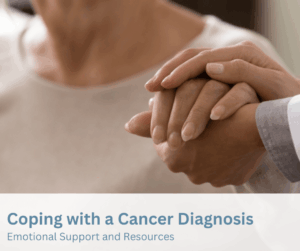
Coping with a Cancer Diagnosis
A cancer diagnosis can bring a wave of emotions—fear, anxiety, sadness, and even anger. While these feelings are normal, finding the right emotional support can make a significant difference in your journey.

The Link Between Heart Health and Cancer
February is American Heart Month, making it the perfect time to discuss the connection between heart disease and cancer. Many cancer treatments impact cardiovascular health, making it essential for patients and survivors to take steps to protect their hearts.
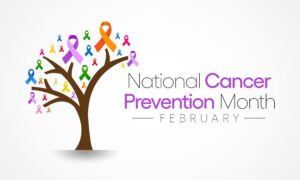
National Cancer Prevention Month: Steps to Lower Your Risk
February is National Cancer Prevention Month, a time to raise awareness about the steps we can all take to reduce our cancer risk. While some factors, like genetics, are beyond our control, many lifestyle choices can help prevent cancer.
1. Get Regular Screenings
Early detection saves lives. Routine screenings, such as mammograms, colonoscopies, and skin checks, can detect cancer in its early stages when treatment is most effective. Speak with your doctor to determine which screenings are right for you based on age, family history, and lifestyle.

Cervical Cancer Treatment Options
Cancer is most treatable when detected early, often before symptoms appear. Regular screenings are a critical part of preventive healthcare and can significantly increase the chances of successful treatment. Here’s what you need to know about the importance of cancer screenings:

Simple Steps for Prioritizing Your Health in the New Year
As we usher in the new year, it’s the perfect time to reflect on our health and make positive changes. Whether it’s a commitment to eating better, exercising more, or prioritizing preventive care, setting health goals can help us improve our well-being and reduce the risk of cancer.
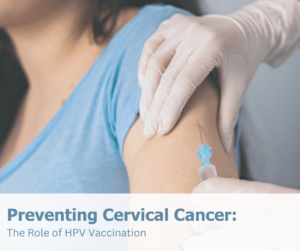
Cervical Cancer Prevention: The Role of HPV Vaccination
When it comes to preventing cervical cancer, the HPV vaccine is one of the most powerful tools available. Human papillomavirus (HPV) is a group of more than 200 related viruses, several of which are linked to the development of cervical cancer. The good news is that vaccination can protect against the most common types of HPV that cause cancer.