
Treatment Options for Breast Cancer

A breast cancer diagnosis can be overwhelming, but today’s medical advances offer many treatment options tailored to each patient’s unique needs.
Understanding Breast Cancer Symptoms: What to Look For and When to Seek Help
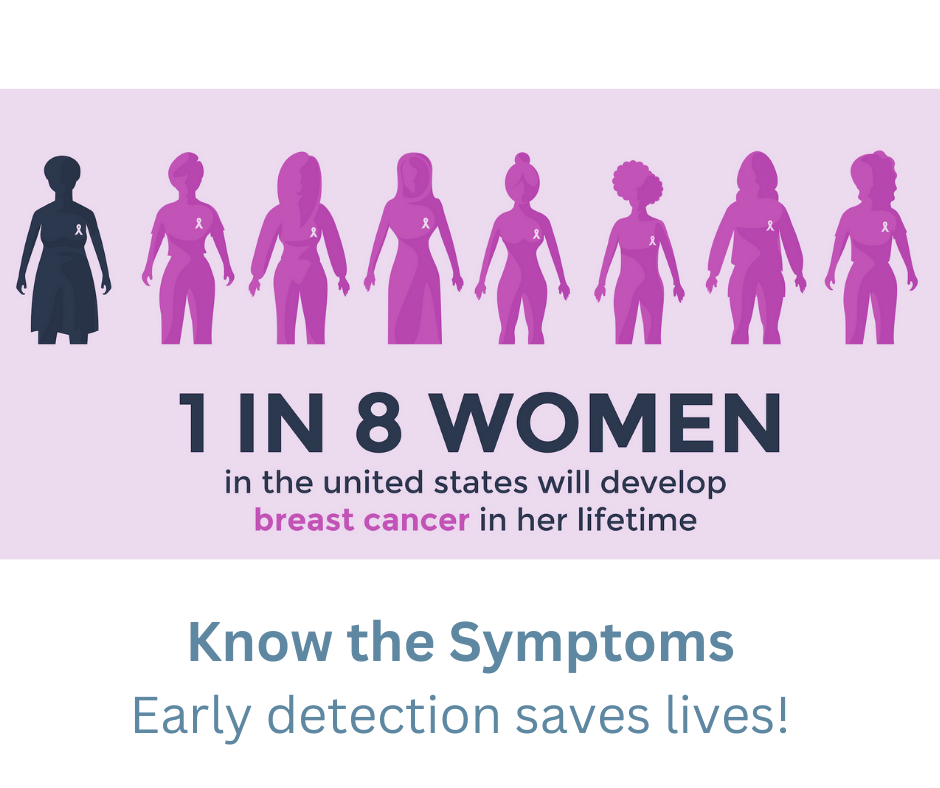
Breast cancer is one of the most common cancers affecting women worldwide. Early detection can significantly improve treatment outcomes, so it’s crucial to be aware of the symptoms and know when to seek medical attention. In this blog, we’ll discuss the key signs and symptoms of breast cancer, helping you stay informed and proactive about your breast health.
Understanding the Risk Factors for Breast Cancer

Breast cancer can affect anyone, but some individuals are at a higher risk than others. Understanding your risk factors is a critical step in prevention and early detection. In this second part of our Breast Cancer Awareness Month blog series, we’ll dive into the various factors that can increase the likelihood of developing breast cancer.
The Importance of Screening for Breast Cancer
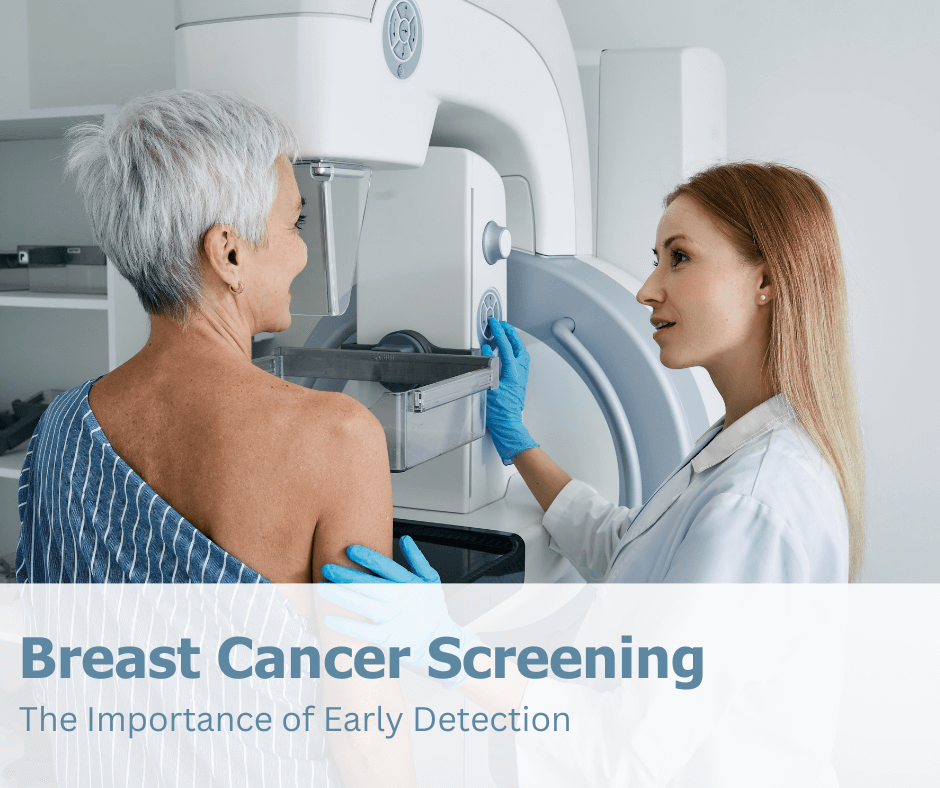
October is Breast Cancer Awareness Month, and there’s no better time to discuss one of the most crucial factors in beating this disease: early detection through screening. Regular screenings can dramatically increase the chances of catching breast cancer in its early stages when it’s most treatable.
Thyroid Cancer: Symptoms, Diagnosis, and Treatment Options
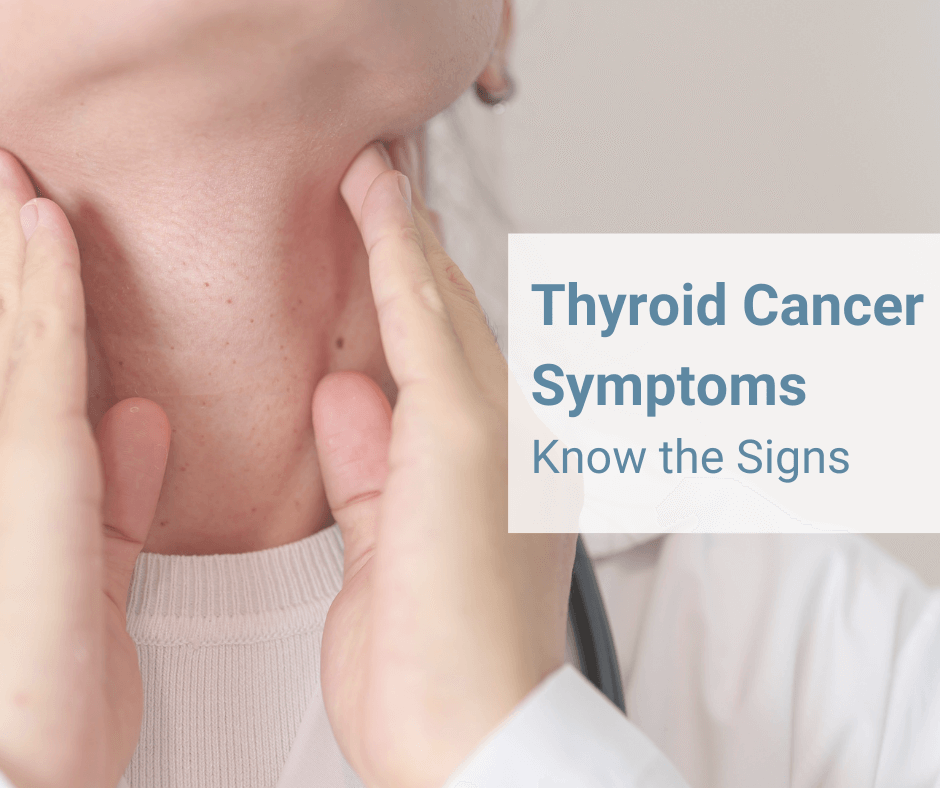
Thyroid cancer is a type of cancer that originates in the thyroid gland, located at the base of the neck. While it is relatively rare compared to other cancers, its incidence has been increasing in recent years. Early detection and advancements in treatment have improved outcomes, making it essential to understand the basics of thyroid cancer, its symptoms, and available treatment options.
Leukemia & Lymphoma Awareness
September is a pivotal month in cancer awareness, shining a spotlight on leukemia and lymphoma. We are dedicated to providing education, support, and cutting-edge treatments to those affected by these blood cancers. Let’s explore the essentials of leukemia and lymphoma, their symptoms, and the importance of early detection and treatment.
Understanding Ovarian Cancer

Ovarian cancer begins in the ovaries, the reproductive glands that produce eggs. It is the fifth most common cancer among women and the deadliest of the gynecologic cancers. One of the challenges with ovarian cancer is that it is often diagnosed at an advanced stage, when it is harder to treat effectively.
Gynecologic Cancer Awareness: Knowledge and Prevention

September is Gynecologic Cancer Awareness Month, a time dedicated to raising awareness about the five main types of gynecologic cancers: cervical, ovarian, uterine, vaginal, and vulvar. These cancers affect the reproductive organs and can have a profound impact on women’s health. At cCARE, we are committed to educating women about these cancers, promoting early detection, and providing comprehensive care for those affected.
Prostate Cancer Awareness

Prostate cancer is a significant health concern, being the most commonly diagnosed cancer among men, second only to skin cancer. It originates in the prostate gland, which is responsible for producing seminal fluid that nourishes and transports sperm. While many men live with prostate cancer without experiencing severe symptoms, understanding the disease is crucial for effective management and treatment.
Essential Questions to Ask Your Doctor About Prostate Cancer Treatment

Receiving a prostate cancer diagnosis can be overwhelming, but asking the right questions can help you make informed decisions about your care. Here are key questions to consider: