Breast cancer is one of the most common cancers affecting individuals worldwide, yet advancements in screening and treatment continue to improve outcomes and save lives. Understanding what breast cancer is, how it is detected, and what treatment options are available can empower individuals to take an active role in their health.
What Is Breast Cancer?
Breast cancer occurs when cells in the breast begin to grow uncontrollably. Normally, cells grow, divide, and die in an orderly way. However, cancer cells continue to grow and divide without stopping, forming a tumor.
In many cases, breast tumors develop slowly, sometimes over several years, before they are large enough to be felt. However, some forms of breast cancer can be more aggressive and grow more rapidly. Early detection plays a critical role in identifying the disease before it progresses.
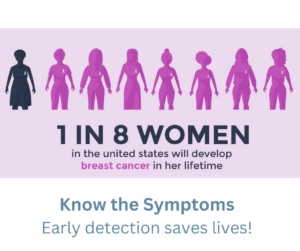
Breast cancer can affect both women and men, though it is far more common in women. In fact, about 1 in 8 women in the United States will be diagnosed with breast cancer in their lifetime, making it one of the most prevalent cancers today.
Why Is Breast Cancer Screening Important?
Breast cancer screening is one of the most effective tools for improving outcomes. Screening tests are designed to detect cancer before symptoms appear, when the disease is typically easier to treat.
According to leading health organizations, cancers found during screening tend to be smaller and less likely to have spread beyond the breast, significantly improving prognosis.
The impact of early detection is profound. When breast cancer is diagnosed at its earliest, localized stage, the five-year survival rate is over 99%. This highlights why routine screening is essential.
When Should Breast Cancer Screening Begin?
For individuals at average risk, many guidelines align with the following recommendations:
- Ages 40–44: Option to begin annual mammograms
- Ages 45–54: Annual mammograms recommended
- Ages 55 and older: Mammograms every two years (or continue annually)
These recommendations are supported by organizations such as the American Cancer Society and reflect the importance of starting screening at age 40 for most individuals.
Other expert groups, including the U.S. Preventive Services Task Force, also recommend beginning screening at age 40, reinforcing a growing consensus around earlier detection.
It’s important to note that screening plans may vary depending on personal risk factors such as family history, genetic mutations, or previous health conditions. Patients should always consult with their healthcare provider to determine the most appropriate schedule.
How Is Breast Cancer Screening Done?
The most common and effective screening methods include:
Mammograms
A mammogram is a low-dose X-ray of the breast and is the primary tool used to detect breast cancer early. These images can reveal abnormalities years before a lump can be felt.
Clinical Breast Exams
Performed by a healthcare provider, these exams involve checking the breasts for lumps or other changes.
Additional Diagnostic Tests
If a screening identifies an abnormality, further tests may be recommended, including:
- Diagnostic mammograms
- Breast ultrasound
- Breast MRI
- Biopsy (to confirm diagnosis)
These follow-up tests help determine whether cancer is present and guide treatment decisions.
Treatment Options for Breast Cancer
Treatment for breast cancer depends on several factors, including the stage of the disease, tumor type, and overall health of the patient. For early-stage invasive breast cancer, treatment often includes a combination of:
- Surgery (such as lumpectomy or mastectomy)
- Radiation therapy
- Systemic therapies, including:
- Chemotherapy
- Hormone therapy
- Targeted therapy
- Immunotherapy
Advancements in treatment have significantly improved survival rates and quality of life for patients. Today, there are more than 4 million breast cancer survivors in the United States, reflecting progress in both early detection and personalized care.
Taking a Proactive Approach to Breast Health
Breast cancer is a serious disease, but early detection and modern treatments offer hope. Being proactive about screening, understanding your personal risk, and maintaining open communication with your healthcare provider are key steps in protecting your health.
If you are 40 or older or if you have risk factors talk with your provider about creating a screening plan that’s right for you. Regular screening can help detect breast cancer early, when it is most treatable and outcomes are best.