
Life After Colorectal Cancer
Navigating life after colorectal cancer treatment can be challenging, but with the right resources and support, individuals can thrive in this phase.
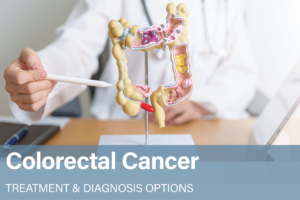
Colorectal Cancer: Treatment & Diagnosis Options
Colorectal cancer remains a global health concern, but progress in early detection and treatment offers hope
Screening for Colorectal Cancer
Colorectal cancer screening is crucial for early detection and improved outcomes. Here’s why it matters and the screening options available:
Colorectal Cancer Symptoms: Know the Signs
Colorectal cancer is a prevalent and potentially life-threatening disease, but it’s often treatable when detected early. Recognizing the symptoms of colorectal cancer is crucial for prompt diagnosis and intervention. Below are signs and symptoms of colorectal cancer to be aware of, emphasizing the importance of paying attention to your body and seeking medical attention if any concerning symptoms arise.
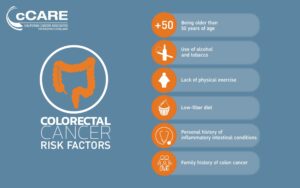
Colorectal Cancer: Causes & Risk Factors
Colorectal cancer, is influenced by genetic, lifestyle, and environmental factors. Understanding its causes and risk factors is key for prevention and early detection.
What is Colorectal Cancer?
Colorectal cancer, often referred to as bowel cancer, colon cancer, or rectal cancer, is a type of cancer that affects the colon or rectum. It’s one of the most common forms of cancer worldwide, but with early detection and appropriate treatment, it is highly treatable.
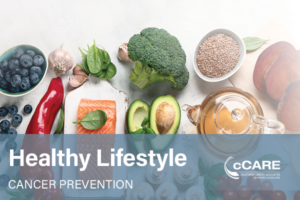
The Power of Healthy Lifestyle Practices for Cancer Prevention
Healthy lifestyle practices can have a significant impact in reducing the risk of cancer. Incorporating healthy habits like focused nutrition, physical activity, staying away from tobacco, and sun safety, you can prevent various types of cancer.
Early Detection and Screening for Cancer
As we commemorate National Cancer Prevention Month, it is crucial to recognize the importance of early detection and screening in the ongoing battle against cancer. Regular screenings for different cancer types can greatly impact timely intervention and treatment outcomes.
Cancer Risk Factors
As we honor National Cancer Prevention Month, it is important to know the factors that can contribute to the development of cancer. Lifestyle choices, environmental influences, genetics, and other variables can increase your risk of cancer. Understanding risk factors is critical to help prevent cancer.

Breast Cancer Treatment Options
A breast cancer diagnosis can feel overwhelming, but today’s treatment options are more effective and personalized than ever before. The right plan depends on the type, stage, and biology of the cancer, as well as a patient’s overall health and preferences.
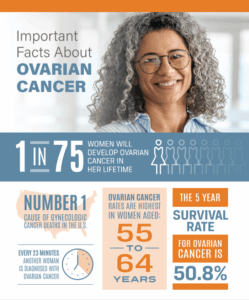
Ovarian Cancer Awareness
Ovarian cancer is often called the “silent cancer” because its early symptoms can be mistaken for other conditions. Understanding risk factors and warning signs is crucial.
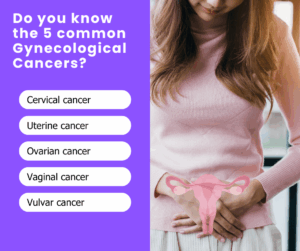
Early Detection Saves Lives: What to Know About Gynecologic Cancers
Gynecologic cancers include cancers of the cervix, ovaries, uterus, vulva, and vagina. Awareness and regular screening can make a life-saving difference.
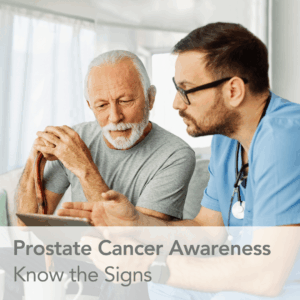
Prostate Cancer Awareness
Prostate cancer is one of the most common cancers among men, but when detected early, it is also one of the most treatable. Raising awareness about risk factors, screening guidelines, and treatment options helps men take proactive steps for their health.

Moving Through Treatment—The Benefits of Exercise
Even gentle movement can reduce fatigue, improve your mood, and support healing.
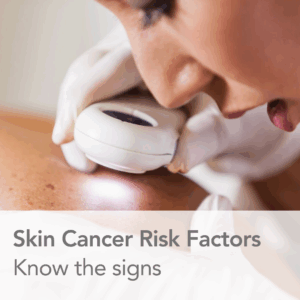
Skin Cancer Awareness
Skin cancer is the most common form of cancer in the United States, but with early detection and prevention, it’s also one of the most treatable

The Power of Sleep During Cancer Treatment
Sleep is a key part of healing, especially during cancer treatment. Your body uses this time to restore itself, manage stress, and support your immune system. Unfortunately, many people undergoing treatment find it difficult to sleep well.

Cancer and Nutrition: Eating Well in the Heat of Summer
Good nutrition is essential during cancer treatment, and summer offers a bounty of seasonal foods that can help you feel your best. Fresh fruits, vegetables, and hydrating meals not only support your immune system but also help manage treatment side effects.
Understanding Bone and Soft Tissue Sarcomas
July is Sarcoma and Bone Cancer Awareness Month—a time to shed light on a group of rare but serious cancers that often go unnoticed. While they make up only about 1% of all adult cancers, sarcomas can affect anyone at any age, and early detection can make a significant difference.

Hydration and Healing: Staying Well During Summer Cancer Treatment
Summer brings sunshine, warmth, and outdoor fun—but for those undergoing cancer treatment, it also brings added challenges. Heat and humidity can increase the risk of dehydration, especially when combined with side effects from chemotherapy, radiation, or medications.