

Follow-Up Care After Breast Cancer
Completing breast cancer treatment is a huge milestone, but your care doesn’t stop there. Follow-up care helps ensure your recovery stays on track, monitors for recurrence, and supports your overall health and well-being.

Staying Proactive During Breast Cancer Awareness Month
October is a reminder not just to wear pink, but to take meaningful steps toward protecting your health.

Breast Cancer Treatment Options
A breast cancer diagnosis can feel overwhelming, but today’s treatment options are more effective and personalized than ever before. The right plan depends on the type, stage, and biology of the cancer, as well as a patient’s overall health and preferences.
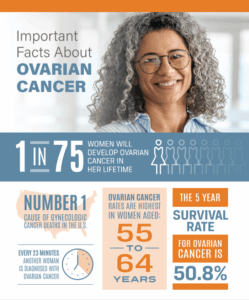
Ovarian Cancer Awareness
Ovarian cancer is often called the “silent cancer” because its early symptoms can be mistaken for other conditions. Understanding risk factors and warning signs is crucial.
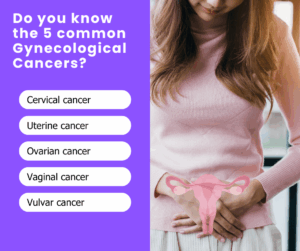
Early Detection Saves Lives: What to Know About Gynecologic Cancers
Gynecologic cancers include cancers of the cervix, ovaries, uterus, vulva, and vagina. Awareness and regular screening can make a life-saving difference.
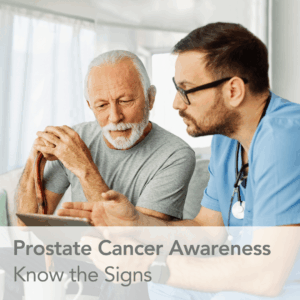
Prostate Cancer Awareness
Prostate cancer is one of the most common cancers among men, but when detected early, it is also one of the most treatable. Raising awareness about risk factors, screening guidelines, and treatment options helps men take proactive steps for their health.

Moving Through Treatment—The Benefits of Exercise
Even gentle movement can reduce fatigue, improve your mood, and support healing.

Skin Cancer Awareness
Skin cancer is the most common form of cancer in the United States, but with early detection and prevention, it’s also one of the most treatable

The Power of Sleep During Cancer Treatment
Sleep is a key part of healing, especially during cancer treatment. Your body uses this time to restore itself, manage stress, and support your immune system. Unfortunately, many people undergoing treatment find it difficult to sleep well.
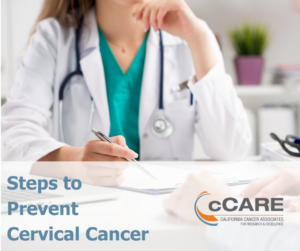
Cervical Cancer Prevention
By adopting healthy lifestyle choices and taking advantage of available vaccinations, women can significantly reduce their risk of developing this disease. In this blog post, we will explore the importance of lifestyle choices and vaccination in cervical cancer prevention.
Cervical Cancer Screening and Guidelines
Regular screenings can identify abnormalities in the cervix before they develop into cancerous cells. In this blog post, we will discuss the importance of cervical cancer screening and the guidelines to follow.
Be Aware: Cervical Cancer Symptoms
Recognizing the symptoms and seeking medical attention promptly is crucial for early detection and treatment. Here are some common symptoms of cervical cancer that every woman should be aware of:
Exploring the Risk Factors That Increase the Likelihood of Cervical Cancer
In this blog post, we will explore the various risk factors associated with Cervical cancer.
Understanding Cervical Cancer
According to the American Cancer Society, more than 13,000 women will be diagnosed with cervical cancer this year, most often in women over the age of 30.

Breast Reconstruction, Physical and Emotional Healing
Breast cancer is a journey that encompasses not only physical challenges but also emotional and psychological hurdles. For many women, the prospect of breast surgery, mastectomy in particular, can be daunting. At cCARE, we have assembled an expert team of comprehensive breast cancer care, addressing not only the eradication of cancer but also the restoration of a woman’s self-esteem and confidence through breast reconstruction.
Self-Care Breast Cancer Treatment Tips With Dr. Christine Chang-Halpenny
Hi, I’m Dr. Chang-Halpenny. I’m a radiation oncologist. Here are some self-care tips for when you’re going through radiation for breast cancer.
Testicular Cancer Treatment & Overview With Dr. Joel Lamon
I’m Joel Lamon and I’m a medical oncologist at cCARE. It’s important to know that testicular cancer is the most common cancer in American Caucasian males below the age of 40. And I don’t think there’s a better age group for having a malignancy and being associated with denial about symptoms than in that age group and gender.

When Is a Sore Throat a Serious Threat? When It’s a Head and Neck Cancer
Head and neck cancers are cancers of the cells that line the head and neck cavity areas, which include the passages from the nose and mouth back toward the throat and down slightly toward the vocal cords. Although head and neck cancers only make up 4% of all cancers in the United States, they still pose a great danger.

A Radiation Oncologist’s Insights on Battling Bladder Cancer
Although bladder cancer is the seventh most common type of cancer found in the United States, I know from talking with my patients and their family members that it can be one of the most misunderstood as well. Many of the symptoms of bladder cancer, which develops when the cells in the bladder’s lining begin to grow out of control, are similar to symptoms of other medical conditions. This can cause people to overlook bladder cancer as a possibility.