
Coping with Cancer During the Holidays
The holiday season is often associated with joy, celebration, and togetherness. However, for those navigating a cancer diagnosis, it can bring a mix of emotions—stress, sadness, and even anxiety. Balancing treatment, family gatherings, and self-care may feel overwhelming, but there are ways to make the season more manageable and meaningful.
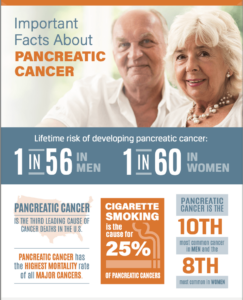
Hope and Progress in Pancreatic Cancer Treatment and Research
Pancreatic cancer has long been one of the most challenging cancers to treat, but advances in research, treatment, and advocacy are providing new hope. This Pancreatic Cancer Awareness Month, let’s focus on the importance of innovative treatment options and how we can support ongoing research for better patient outcomes.

Pancreatic Cancer – Understanding the Disease and Its Challenges
November is Pancreatic Cancer Awareness Month, a time to shine a light on one of the deadliest cancers that, despite its severity, receives limited attention. Pancreatic cancer is challenging to diagnose early, spreads quickly, and has a low survival rate. However, awareness and understanding can help in early detection and support ongoing research to improve outcomes.
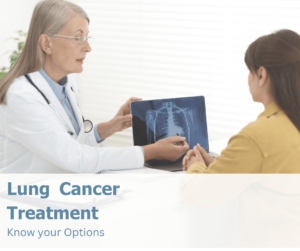
Lung Cancer Treatment Options
If you or a loved one is diagnosed with lung cancer, understanding treatment options is essential. Let’s explore the various ways lung cancer can be treated, offering hope and options for those affected.
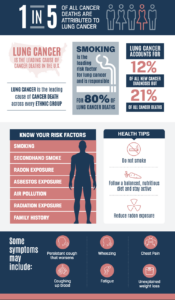
Lung Cancer Risk Factors and Prevention
Preventing lung cancer is possible with lifestyle adjustments, risk awareness, and screenings. Here’s what you need to know about the factors that increase lung cancer risk and how to reduce them.
Lung Cancer Awareness
Lung cancer is a leading cause of cancer deaths worldwide, and its early symptoms are often overlooked or mistaken for less serious conditions. In this post, we’ll discuss what lung cancer is, explore its types, and focus on understanding the symptoms, so individuals can recognize early warning signs.
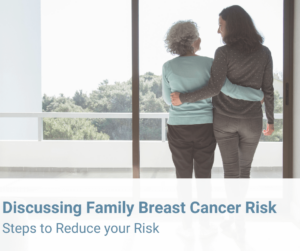
The Importance of Discussing Family History in Breast Cancer Risk
Family history plays a critical role in understanding your risk of breast cancer. Open discussions with both your family and healthcare provider can provide essential insights that could save lives.

Treatment Options for Breast Cancer
A breast cancer diagnosis can be overwhelming, but today’s medical advances offer many treatment options tailored to each patient’s unique needs.
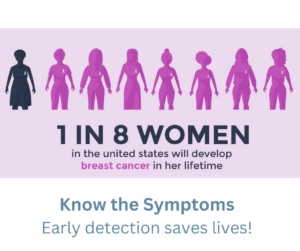
Understanding Breast Cancer Symptoms: What to Look For and When to Seek Help
Breast cancer is one of the most common cancers affecting women worldwide. Early detection can significantly improve treatment outcomes, so it’s crucial to be aware of the symptoms and know when to seek medical attention. In this blog, we’ll discuss the key signs and symptoms of breast cancer, helping you stay informed and proactive about your breast health.

National Cancer Survivors Month—Celebrating Strength and Resilience
June is National Cancer Survivors Month—a time to celebrate those who have faced cancer and come through with courage, hope, and determination. It’s also a moment to recognize the caregivers, providers, and loved ones who stand beside them.
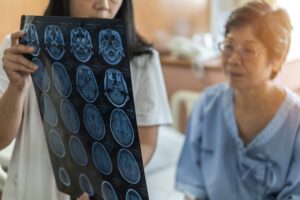
Brain Cancer Symptoms, Causes & Types – What Patients Should Know
Being diagnosed with brain cancer can feel overwhelming, but treatment has come a long way. Depending on the type, size, location, and whether the tumor is benign or malignant, your care team will develop a personalized plan to provide the best chance for recovery and quality of life.
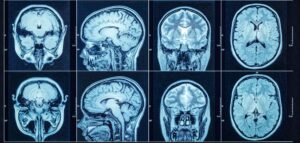
Brain Cancer Awareness—Know the Signs, Share the Facts
Brain Cancer Awareness is about more than a diagnosis—it’s about education, early detection, and support for those impacted. Although brain cancer is relatively rare, it can be life-altering. Raising awareness helps ensure symptoms aren’t ignored and encourages people to seek timely care.
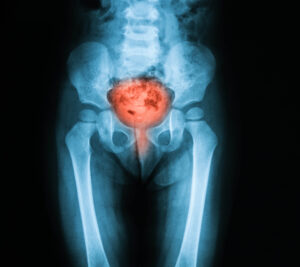
Understanding Bladder Cancer: Signs, Risks, and When to Seek Help
Bladder cancer is one of the most common cancers in the United States, particularly affecting older adults and more frequently diagnosed in men than women. As with many cancers, early detection can significantly improve outcomes, which makes awareness of symptoms and risk factors critically important.

Understanding Your Options: Skin Cancer Treatment Paths
Being diagnosed with skin cancer can be overwhelming—but the good news is that skin cancer is often highly treatable, especially when caught early. There are several effective treatment options, and the best approach depends on the type, location, and stage of your cancer, as well as your overall health.

Protect Your Skin — Prevention Tips for Skin Cancer
Sunshine is good for the soul, but too much can damage your skin and increase your risk of skin cancer. The good news? Most skin cancers are preventable with a few smart habits.

Spot the Signs — Know the Symptoms of Skin Cancer
Skin cancer is the most common form of cancer in the United States, and when detected early, it’s also one of the most treatable. That’s why knowing the warning signs and regularly checking your skin is so important.
Managing Stress Through Cancer Treatment
A cancer diagnosis brings more than just physical challenges—it also affects emotional and mental health. It’s completely normal to feel overwhelmed, anxious, or even scared. But managing stress throughout treatment can help improve your overall well-being and support healing.
Alcohol Awareness and Cancer Prevention
April is Alcohol Awareness Month—an important time to understand how alcohol consumption affects cancer risk. Regular alcohol use is linked to an increased risk of cancers, including breast, liver, mouth, throat, and esophagus.
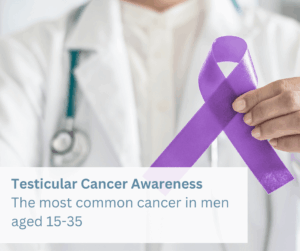
Testicular Cancer: Know the Signs, Catch It Early
Testicular cancer is the most common cancer in men between the ages of 15 and 35. While rare overall, it is highly treatable, especially when caught early.