
Life After Colorectal Cancer
Navigating life after colorectal cancer treatment can be challenging, but with the right resources and support, individuals can thrive in this phase.
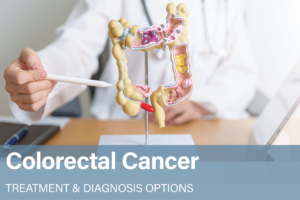
Colorectal Cancer: Treatment & Diagnosis Options
Colorectal cancer remains a global health concern, but progress in early detection and treatment offers hope
Screening for Colorectal Cancer
Colorectal cancer screening is crucial for early detection and improved outcomes. Here’s why it matters and the screening options available:
Colorectal Cancer Symptoms: Know the Signs
Colorectal cancer is a prevalent and potentially life-threatening disease, but it’s often treatable when detected early. Recognizing the symptoms of colorectal cancer is crucial for prompt diagnosis and intervention. Below are signs and symptoms of colorectal cancer to be aware of, emphasizing the importance of paying attention to your body and seeking medical attention if any concerning symptoms arise.
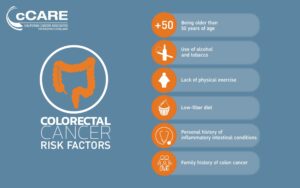
Colorectal Cancer: Causes & Risk Factors
Colorectal cancer, is influenced by genetic, lifestyle, and environmental factors. Understanding its causes and risk factors is key for prevention and early detection.
What is Colorectal Cancer?
Colorectal cancer, often referred to as bowel cancer, colon cancer, or rectal cancer, is a type of cancer that affects the colon or rectum. It’s one of the most common forms of cancer worldwide, but with early detection and appropriate treatment, it is highly treatable.
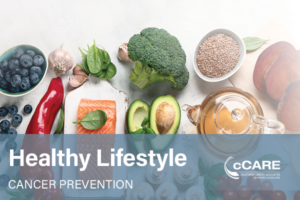
The Power of Healthy Lifestyle Practices for Cancer Prevention
Healthy lifestyle practices can have a significant impact in reducing the risk of cancer. Incorporating healthy habits like focused nutrition, physical activity, staying away from tobacco, and sun safety, you can prevent various types of cancer.
Early Detection and Screening for Cancer
As we commemorate National Cancer Prevention Month, it is crucial to recognize the importance of early detection and screening in the ongoing battle against cancer. Regular screenings for different cancer types can greatly impact timely intervention and treatment outcomes.
Cancer Risk Factors
As we honor National Cancer Prevention Month, it is important to know the factors that can contribute to the development of cancer. Lifestyle choices, environmental influences, genetics, and other variables can increase your risk of cancer. Understanding risk factors is critical to help prevent cancer.

National Cancer Survivors Month—Celebrating Strength and Resilience
June is National Cancer Survivors Month—a time to celebrate those who have faced cancer and come through with courage, hope, and determination. It’s also a moment to recognize the caregivers, providers, and loved ones who stand beside them.

Brain Cancer Symptoms, Causes & Types – What Patients Should Know
Being diagnosed with brain cancer can feel overwhelming, but treatment has come a long way. Depending on the type, size, location, and whether the tumor is benign or malignant, your care team will develop a personalized plan to provide the best chance for recovery and quality of life.

Brain Cancer Awareness—Know the Signs, Share the Facts
Brain Cancer Awareness is about more than a diagnosis—it’s about education, early detection, and support for those impacted. Although brain cancer is relatively rare, it can be life-altering. Raising awareness helps ensure symptoms aren’t ignored and encourages people to seek timely care.
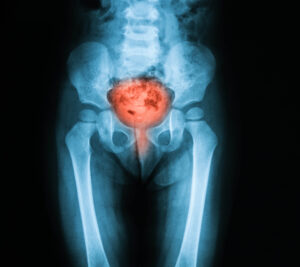
Understanding Bladder Cancer: Signs, Risks, and When to Seek Help
Bladder cancer is one of the most common cancers in the United States, particularly affecting older adults and more frequently diagnosed in men than women. As with many cancers, early detection can significantly improve outcomes, which makes awareness of symptoms and risk factors critically important.

Understanding Your Options: Skin Cancer Treatment Paths
Being diagnosed with skin cancer can be overwhelming—but the good news is that skin cancer is often highly treatable, especially when caught early. There are several effective treatment options, and the best approach depends on the type, location, and stage of your cancer, as well as your overall health.

Protect Your Skin — Prevention Tips for Skin Cancer
Sunshine is good for the soul, but too much can damage your skin and increase your risk of skin cancer. The good news? Most skin cancers are preventable with a few smart habits.

Spot the Signs — Know the Symptoms of Skin Cancer
Skin cancer is the most common form of cancer in the United States, and when detected early, it’s also one of the most treatable. That’s why knowing the warning signs and regularly checking your skin is so important.
Managing Stress Through Cancer Treatment
A cancer diagnosis brings more than just physical challenges—it also affects emotional and mental health. It’s completely normal to feel overwhelmed, anxious, or even scared. But managing stress throughout treatment can help improve your overall well-being and support healing.
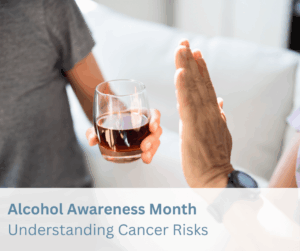
Alcohol Awareness and Cancer Prevention
April is Alcohol Awareness Month—an important time to understand how alcohol consumption affects cancer risk. Regular alcohol use is linked to an increased risk of cancers, including breast, liver, mouth, throat, and esophagus.
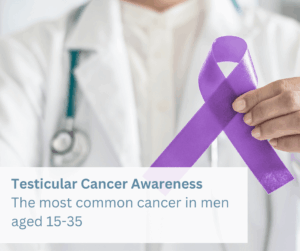
Testicular Cancer: Know the Signs, Catch It Early
Testicular cancer is the most common cancer in men between the ages of 15 and 35. While rare overall, it is highly treatable, especially when caught early.