

Why Follow-Up Matters
Follow-up appointments are an important part of staying healthy. Whether you’re managing a condition, monitoring progress, or simply keeping up with routine care, these visits help your healthcare team make sure everything is on track.
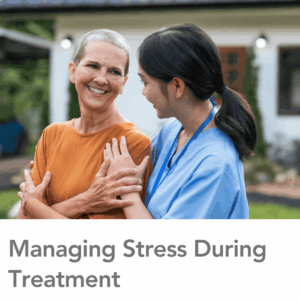
Managing Stress During Cancer Treatment
Cancer treatment can bring physical, emotional, and mental challenges. Feeling stressed or overwhelmed is completely normal, but there are simple, effective ways to help manage stress and maintain a sense of control during this time.
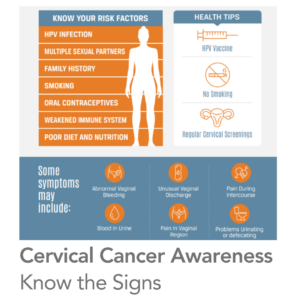
Common Symptoms of Cervical Cancer
In early stages, cervical cancer may not cause noticeable symptoms. As it progresses, some signs may include:

Ending the Year with Strength: Survivorship
December is a time of reflection, and for many survivors, it’s a chance to acknowledge how far they’ve come. Survivorship is more than finishing treatment—it’s learning to live well, stay empowered, and continue thriving.

Three Things You Can Do Today for a Healthier Tomorrow.
As the year comes to a close, many of us start thinking about resolutions and fresh starts. But when it comes to your health, you don’t have to wait for January to begin making powerful choices.

Caring for Yourself Through the Holidays
The holiday season can be joyful—but for those facing cancer, it can also feel overwhelming. It’s okay to need support, to set boundaries, or to approach the season differently than before.

Coping With Fatigue During Cancer Treatment
Fatigue is one of the most common—and frustrating—side effects of cancer treatment. It’s more than feeling tired; it’s a profound lack of energy that rest alone can’t fix. The good news: there are proven strategies to help.

Nutrition & Immunity During Cancer Treatment
Nutrition plays a vital role in maintaining strength and supporting the immune system during cancer treatment. As we enter the colder months, it’s a perfect time to focus on foods that help your body stay resilient.
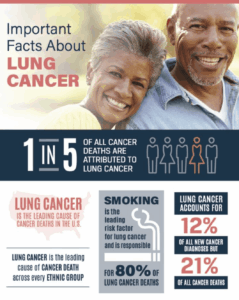
Lung Cancer Awareness: Understanding Symptoms & When to Get Checked
November marks National Lung Cancer Awareness Month, a time dedicated to increasing education, encouraging early detection, and supporting those affected by the disease.
Cervical Cancer: Early Detection and Symptoms
January is Cervical Cancer Awareness Month, a time to shed light on the importance of early detection and preventive measures for cervical cancer. Cervical cancer occurs when abnormal cells in the cervix begin to grow uncontrollably. Though it is a serious diagnosis, it’s also one that can often be prevented or treated successfully when caught early.
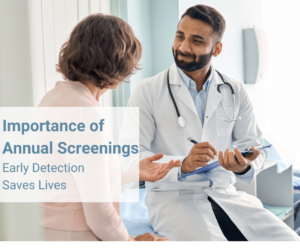
Understanding Cancer Screenings: Why Early Detection Matters
Cancer is most treatable when detected early, often before symptoms appear. Regular screenings are a critical part of preventive healthcare and can significantly increase the chances of successful treatment. Here’s what you need to know about the importance of cancer screenings:

Eating Well with Cancer During the Holidays
The holiday season is often filled with rich foods, festive gatherings, and indulgent treats. For individuals undergoing cancer treatment, maintaining a balanced diet can feel challenging but is an important part of supporting overall health and well-being. With a few mindful strategies, you can enjoy the season’s flavors while prioritizing your nutritional needs.
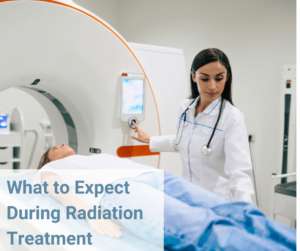
What to Expect: Radiation Therapy
Here’s an overview of what to expect during your radiation therapy journey:
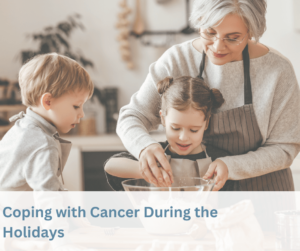
Coping with Cancer During the Holidays
The holiday season is often associated with joy, celebration, and togetherness. However, for those navigating a cancer diagnosis, it can bring a mix of emotions—stress, sadness, and even anxiety. Balancing treatment, family gatherings, and self-care may feel overwhelming, but there are ways to make the season more manageable and meaningful.
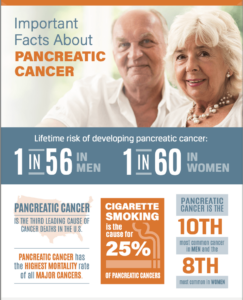
Hope and Progress in Pancreatic Cancer Treatment and Research
Pancreatic cancer has long been one of the most challenging cancers to treat, but advances in research, treatment, and advocacy are providing new hope. This Pancreatic Cancer Awareness Month, let’s focus on the importance of innovative treatment options and how we can support ongoing research for better patient outcomes.

Pancreatic Cancer – Understanding the Disease and Its Challenges
November is Pancreatic Cancer Awareness Month, a time to shine a light on one of the deadliest cancers that, despite its severity, receives limited attention. Pancreatic cancer is challenging to diagnose early, spreads quickly, and has a low survival rate. However, awareness and understanding can help in early detection and support ongoing research to improve outcomes.
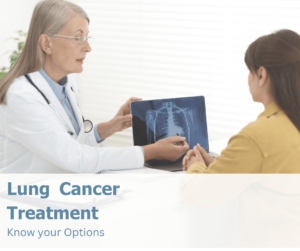
Lung Cancer Treatment Options
If you or a loved one is diagnosed with lung cancer, understanding treatment options is essential. Let’s explore the various ways lung cancer can be treated, offering hope and options for those affected.
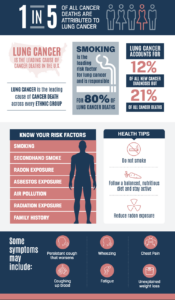
Lung Cancer Risk Factors and Prevention
Preventing lung cancer is possible with lifestyle adjustments, risk awareness, and screenings. Here’s what you need to know about the factors that increase lung cancer risk and how to reduce them.
Lung Cancer Awareness
Lung cancer is a leading cause of cancer deaths worldwide, and its early symptoms are often overlooked or mistaken for less serious conditions. In this post, we’ll discuss what lung cancer is, explore its types, and focus on understanding the symptoms, so individuals can recognize early warning signs.