

The Link Between Heart Health and Cancer
February is American Heart Month, making it the perfect time to discuss the connection between heart disease and cancer. Many cancer treatments impact cardiovascular health, making it essential for patients and survivors to take steps to protect their hearts.

National Cancer Prevention Month: Steps to Lower Your Risk
February is National Cancer Prevention Month, a time to raise awareness about the steps we can all take to reduce our cancer risk. While some factors, like genetics, are beyond our control, many lifestyle choices can help prevent cancer.
1. Get Regular Screenings
Early detection saves lives. Routine screenings, such as mammograms, colonoscopies, and skin checks, can detect cancer in its early stages when treatment is most effective. Speak with your doctor to determine which screenings are right for you based on age, family history, and lifestyle.

Cervical Cancer Treatment Options
Cancer is most treatable when detected early, often before symptoms appear. Regular screenings are a critical part of preventive healthcare and can significantly increase the chances of successful treatment. Here’s what you need to know about the importance of cancer screenings:

Simple Steps for Prioritizing Your Health in the New Year
As we usher in the new year, it’s the perfect time to reflect on our health and make positive changes. Whether it’s a commitment to eating better, exercising more, or prioritizing preventive care, setting health goals can help us improve our well-being and reduce the risk of cancer.
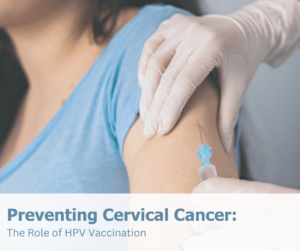
Cervical Cancer Prevention: The Role of HPV Vaccination
When it comes to preventing cervical cancer, the HPV vaccine is one of the most powerful tools available. Human papillomavirus (HPV) is a group of more than 200 related viruses, several of which are linked to the development of cervical cancer. The good news is that vaccination can protect against the most common types of HPV that cause cancer.
Cervical Cancer: Early Detection and Symptoms
January is Cervical Cancer Awareness Month, a time to shed light on the importance of early detection and preventive measures for cervical cancer. Cervical cancer occurs when abnormal cells in the cervix begin to grow uncontrollably. Though it is a serious diagnosis, it’s also one that can often be prevented or treated successfully when caught early.

Understanding Cancer Screenings: Why Early Detection Matters
Cancer is most treatable when detected early, often before symptoms appear. Regular screenings are a critical part of preventive healthcare and can significantly increase the chances of successful treatment. Here’s what you need to know about the importance of cancer screenings:

Eating Well with Cancer During the Holidays
The holiday season is often filled with rich foods, festive gatherings, and indulgent treats. For individuals undergoing cancer treatment, maintaining a balanced diet can feel challenging but is an important part of supporting overall health and well-being. With a few mindful strategies, you can enjoy the season’s flavors while prioritizing your nutritional needs.
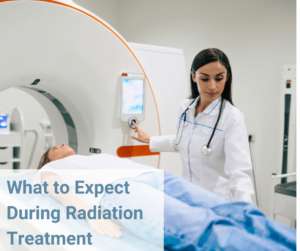
What to Expect: Radiation Therapy
Here’s an overview of what to expect during your radiation therapy journey:
Cervical Cancer Prevention
By adopting healthy lifestyle choices and taking advantage of available vaccinations, women can significantly reduce their risk of developing this disease. In this blog post, we will explore the importance of lifestyle choices and vaccination in cervical cancer prevention.
Cervical Cancer Screening and Guidelines
Regular screenings can identify abnormalities in the cervix before they develop into cancerous cells. In this blog post, we will discuss the importance of cervical cancer screening and the guidelines to follow.
Be Aware: Cervical Cancer Symptoms
Recognizing the symptoms and seeking medical attention promptly is crucial for early detection and treatment. Here are some common symptoms of cervical cancer that every woman should be aware of:
Exploring the Risk Factors That Increase the Likelihood of Cervical Cancer
In this blog post, we will explore the various risk factors associated with Cervical cancer.
Understanding Cervical Cancer
According to the American Cancer Society, more than 13,000 women will be diagnosed with cervical cancer this year, most often in women over the age of 30.

Breast Reconstruction, Physical and Emotional Healing
Breast cancer is a journey that encompasses not only physical challenges but also emotional and psychological hurdles. For many women, the prospect of breast surgery, mastectomy in particular, can be daunting. At cCARE, we have assembled an expert team of comprehensive breast cancer care, addressing not only the eradication of cancer but also the restoration of a woman’s self-esteem and confidence through breast reconstruction.
Self-Care Breast Cancer Treatment Tips With Dr. Christine Chang-Halpenny
Hi, I’m Dr. Chang-Halpenny. I’m a radiation oncologist. Here are some self-care tips for when you’re going through radiation for breast cancer.
Testicular Cancer Treatment & Overview With Dr. Joel Lamon
I’m Joel Lamon and I’m a medical oncologist at cCARE. It’s important to know that testicular cancer is the most common cancer in American Caucasian males below the age of 40. And I don’t think there’s a better age group for having a malignancy and being associated with denial about symptoms than in that age group and gender.

When Is a Sore Throat a Serious Threat? When It’s a Head and Neck Cancer
Head and neck cancers are cancers of the cells that line the head and neck cavity areas, which include the passages from the nose and mouth back toward the throat and down slightly toward the vocal cords. Although head and neck cancers only make up 4% of all cancers in the United States, they still pose a great danger.

A Radiation Oncologist’s Insights on Battling Bladder Cancer
Although bladder cancer is the seventh most common type of cancer found in the United States, I know from talking with my patients and their family members that it can be one of the most misunderstood as well. Many of the symptoms of bladder cancer, which develops when the cells in the bladder’s lining begin to grow out of control, are similar to symptoms of other medical conditions. This can cause people to overlook bladder cancer as a possibility.