

The Link Between Heart Health and Cancer
February is American Heart Month, making it the perfect time to discuss the connection between heart disease and cancer. Many cancer treatments impact cardiovascular health, making it essential for patients and survivors to take steps to protect their hearts.
National Cancer Prevention Month: Steps to Lower Your Risk
February is National Cancer Prevention Month, a time to raise awareness about the steps we can all take to reduce our cancer risk. While some factors, like genetics, are beyond our control, many lifestyle choices can help prevent cancer.
1. Get Regular Screenings
Early detection saves lives. Routine screenings, such as mammograms, colonoscopies, and skin checks, can detect cancer in its early stages when treatment is most effective. Speak with your doctor to determine which screenings are right for you based on age, family history, and lifestyle.
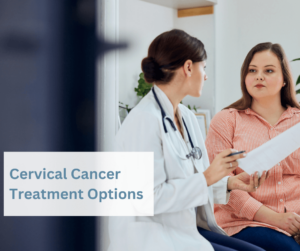
Cervical Cancer Treatment Options
Cancer is most treatable when detected early, often before symptoms appear. Regular screenings are a critical part of preventive healthcare and can significantly increase the chances of successful treatment. Here’s what you need to know about the importance of cancer screenings:

Simple Steps for Prioritizing Your Health in the New Year
As we usher in the new year, it’s the perfect time to reflect on our health and make positive changes. Whether it’s a commitment to eating better, exercising more, or prioritizing preventive care, setting health goals can help us improve our well-being and reduce the risk of cancer.
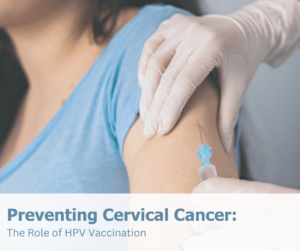
Cervical Cancer Prevention: The Role of HPV Vaccination
When it comes to preventing cervical cancer, the HPV vaccine is one of the most powerful tools available. Human papillomavirus (HPV) is a group of more than 200 related viruses, several of which are linked to the development of cervical cancer. The good news is that vaccination can protect against the most common types of HPV that cause cancer.
Cervical Cancer: Early Detection and Symptoms
January is Cervical Cancer Awareness Month, a time to shed light on the importance of early detection and preventive measures for cervical cancer. Cervical cancer occurs when abnormal cells in the cervix begin to grow uncontrollably. Though it is a serious diagnosis, it’s also one that can often be prevented or treated successfully when caught early.
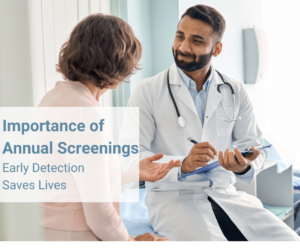
Understanding Cancer Screenings: Why Early Detection Matters
Cancer is most treatable when detected early, often before symptoms appear. Regular screenings are a critical part of preventive healthcare and can significantly increase the chances of successful treatment. Here’s what you need to know about the importance of cancer screenings:

Eating Well with Cancer During the Holidays
The holiday season is often filled with rich foods, festive gatherings, and indulgent treats. For individuals undergoing cancer treatment, maintaining a balanced diet can feel challenging but is an important part of supporting overall health and well-being. With a few mindful strategies, you can enjoy the season’s flavors while prioritizing your nutritional needs.
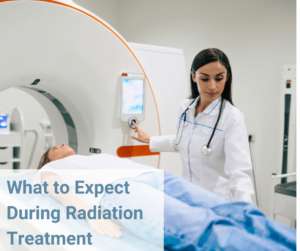
What to Expect: Radiation Therapy
Here’s an overview of what to expect during your radiation therapy journey:

National Cancer Survivors Month—Celebrating Strength and Resilience
June is National Cancer Survivors Month—a time to celebrate those who have faced cancer and come through with courage, hope, and determination. It’s also a moment to recognize the caregivers, providers, and loved ones who stand beside them.

Brain Cancer Symptoms, Causes & Types – What Patients Should Know
Being diagnosed with brain cancer can feel overwhelming, but treatment has come a long way. Depending on the type, size, location, and whether the tumor is benign or malignant, your care team will develop a personalized plan to provide the best chance for recovery and quality of life.

Brain Cancer Awareness—Know the Signs, Share the Facts
Brain Cancer Awareness is about more than a diagnosis—it’s about education, early detection, and support for those impacted. Although brain cancer is relatively rare, it can be life-altering. Raising awareness helps ensure symptoms aren’t ignored and encourages people to seek timely care.
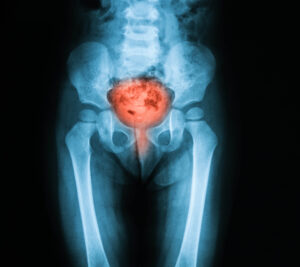
Understanding Bladder Cancer: Signs, Risks, and When to Seek Help
Bladder cancer is one of the most common cancers in the United States, particularly affecting older adults and more frequently diagnosed in men than women. As with many cancers, early detection can significantly improve outcomes, which makes awareness of symptoms and risk factors critically important.

Understanding Your Options: Skin Cancer Treatment Paths
Being diagnosed with skin cancer can be overwhelming—but the good news is that skin cancer is often highly treatable, especially when caught early. There are several effective treatment options, and the best approach depends on the type, location, and stage of your cancer, as well as your overall health.

Protect Your Skin — Prevention Tips for Skin Cancer
Sunshine is good for the soul, but too much can damage your skin and increase your risk of skin cancer. The good news? Most skin cancers are preventable with a few smart habits.

Spot the Signs — Know the Symptoms of Skin Cancer
Skin cancer is the most common form of cancer in the United States, and when detected early, it’s also one of the most treatable. That’s why knowing the warning signs and regularly checking your skin is so important.

Managing Stress Through Cancer Treatment
A cancer diagnosis brings more than just physical challenges—it also affects emotional and mental health. It’s completely normal to feel overwhelmed, anxious, or even scared. But managing stress throughout treatment can help improve your overall well-being and support healing.
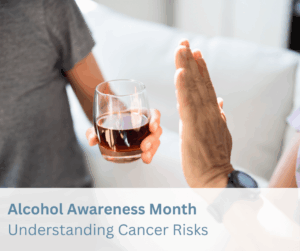
Alcohol Awareness and Cancer Prevention
April is Alcohol Awareness Month—an important time to understand how alcohol consumption affects cancer risk. Regular alcohol use is linked to an increased risk of cancers, including breast, liver, mouth, throat, and esophagus.
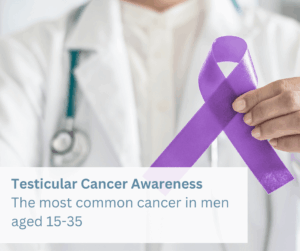
Testicular Cancer: Know the Signs, Catch It Early
Testicular cancer is the most common cancer in men between the ages of 15 and 35. While rare overall, it is highly treatable, especially when caught early.