

Cancer and Nutrition: Eating Well in the Heat of Summer
Good nutrition is essential during cancer treatment, and summer offers a bounty of seasonal foods that can help you feel your best. Fresh fruits, vegetables, and hydrating meals not only support your immune system but also help manage treatment side effects.
Understanding Bone and Soft Tissue Sarcomas
July is Sarcoma and Bone Cancer Awareness Month—a time to shed light on a group of rare but serious cancers that often go unnoticed. While they make up only about 1% of all adult cancers, sarcomas can affect anyone at any age, and early detection can make a significant difference.

Hydration and Healing: Staying Well During Summer Cancer Treatment
Summer brings sunshine, warmth, and outdoor fun—but for those undergoing cancer treatment, it also brings added challenges. Heat and humidity can increase the risk of dehydration, especially when combined with side effects from chemotherapy, radiation, or medications.

National Cancer Survivors Month—Celebrating Strength and Resilience
June is National Cancer Survivors Month—a time to celebrate those who have faced cancer and come through with courage, hope, and determination. It’s also a moment to recognize the caregivers, providers, and loved ones who stand beside them.
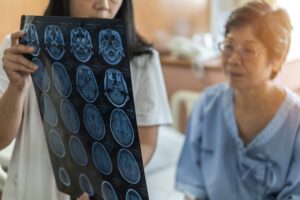
Brain Cancer Symptoms, Causes & Types – What Patients Should Know
Being diagnosed with brain cancer can feel overwhelming, but treatment has come a long way. Depending on the type, size, location, and whether the tumor is benign or malignant, your care team will develop a personalized plan to provide the best chance for recovery and quality of life.

Brain Cancer Awareness—Know the Signs, Share the Facts
Brain Cancer Awareness is about more than a diagnosis—it’s about education, early detection, and support for those impacted. Although brain cancer is relatively rare, it can be life-altering. Raising awareness helps ensure symptoms aren’t ignored and encourages people to seek timely care.
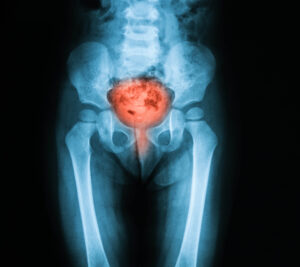
Understanding Bladder Cancer: Signs, Risks, and When to Seek Help
Bladder cancer is one of the most common cancers in the United States, particularly affecting older adults and more frequently diagnosed in men than women. As with many cancers, early detection can significantly improve outcomes, which makes awareness of symptoms and risk factors critically important.

Understanding Your Options: Skin Cancer Treatment Paths
Being diagnosed with skin cancer can be overwhelming—but the good news is that skin cancer is often highly treatable, especially when caught early. There are several effective treatment options, and the best approach depends on the type, location, and stage of your cancer, as well as your overall health.

Protect Your Skin — Prevention Tips for Skin Cancer
Sunshine is good for the soul, but too much can damage your skin and increase your risk of skin cancer. The good news? Most skin cancers are preventable with a few smart habits.

Is Palliative Care Right for You? The Answer May Surprise You
Palliative care is a lot of things, but “end of life” care it is not. At its roots, it is care to keep living. Whereas hospice focuses on the last months of someone’s life, palliative care is concurrent with a patient’s illness – ideally, starting at initial diagnosis through any treatment or post-treatment adjustments.
COVID-19 Vaccine and Cancer FAQ
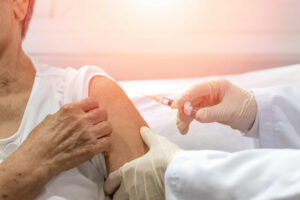
On December 11, 2020, the U.S. Food and Drug Administration (FDA) issued an Emergency Use Authorization (EUA) for the Pfizer-BioNtech mRNA vaccine for use against the virus that is causing the illness known as COVID-19. The vaccine has been 95% effective in large-scale clinical trials and has already been approved for use in five other countries. It is given in two doses, three weeks apart. The state of California is now administering vaccines to those 65 and older.

Managing Cancer Pain for Better Quality of Life
Whether it’s a friend, family member or yourself going through cancer treatment, many of us have been impacted by pain associated with the disease and its treatment. With about 50% of cancer patients reporting pain as a symptom early in the diagnosis and more than 75% in later stages, pain caused by cancer and its treatment can become difficult to bear and can cause a variety of negative effects such as depression, hopelessness and loss of appetite.
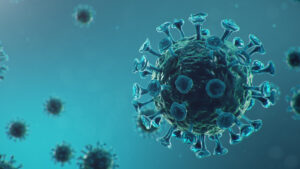
Novel Coronavirus (COVID-19) Updates for Cancer Patients
We encourage our patients to protect themselves and stay as informed as possible during the pandemic. Coronavirus is a family of viruses, but a new strain discovered in 2019 has resulted in concern and actions worldwide. Its official name is coronavirus disease 2019, abbreviated as COVID-19. It is also called novel (new) coronavirus.

Insights on Breast Cancer Signs, Mammograms & Breast Cancer Treatment
Aside from skin cancer, breast cancer is the most common cancer found in American women. According to the American Cancer Society, each woman has a 1 in 8 chance she will develop breast cancer within her lifetime. Approximately 1 in 39 women will die from breast cancer. With these high statistics, it is important that women know the basics about breast cancer signs, screening and treatments.

To Boost Breast Cancer Awareness, Our Fresno-Based Breast Surgeon Clears up Misconceptions
To effectively fight breast cancer, you need to know – and avoid – the myths that surround it

Managing Weight Loss or Gain Side Effects of Cancer Treatment
Maintaining a good fighting weight can help you go the distance in your bout with cancer

How You Can Support Cancer Patients
Cancer affects the person, his or her friends and family. Our tips for listening, keeping it normal and the do’s & don’ts of supportive care can help you alleviate a loved one’s anxiety.

Tobacco, Lung Cancer & Quitting Smoking FAQ
Smoking causes more than 480,000 preventable deaths in the United States each year. Dr. Lamon addresses some of the common questions around smoking and cigarettes.

Robotic Prostatectomy Is Changing the Game for Men with Prostate Cancer
These advanced surgical techniques can not only extract the cancer, they also can help preserve quality of life after prostate cancer treatment