

Understanding the Risk Factors for Breast Cancer
Breast cancer can affect anyone, but some individuals are at a higher risk than others. Understanding your risk factors is a critical step in prevention and early detection. In this second part of our Breast Cancer Awareness Month blog series, we’ll dive into the various factors that can increase the likelihood of developing breast cancer.
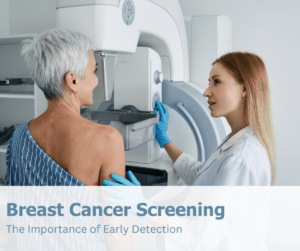
The Importance of Screening for Breast Cancer
October is Breast Cancer Awareness Month, and there’s no better time to discuss one of the most crucial factors in beating this disease: early detection through screening. Regular screenings can dramatically increase the chances of catching breast cancer in its early stages when it’s most treatable.

Thyroid Cancer: Symptoms, Diagnosis, and Treatment Options
Thyroid cancer is a type of cancer that originates in the thyroid gland, located at the base of the neck. While it is relatively rare compared to other cancers, its incidence has been increasing in recent years. Early detection and advancements in treatment have improved outcomes, making it essential to understand the basics of thyroid cancer, its symptoms, and available treatment options.
Leukemia & Lymphoma Awareness
September is a pivotal month in cancer awareness, shining a spotlight on leukemia and lymphoma. We are dedicated to providing education, support, and cutting-edge treatments to those affected by these blood cancers. Let’s explore the essentials of leukemia and lymphoma, their symptoms, and the importance of early detection and treatment.

Understanding Ovarian Cancer
Ovarian cancer begins in the ovaries, the reproductive glands that produce eggs. It is the fifth most common cancer among women and the deadliest of the gynecologic cancers. One of the challenges with ovarian cancer is that it is often diagnosed at an advanced stage, when it is harder to treat effectively.
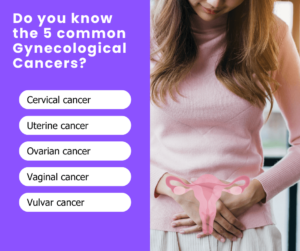
Gynecologic Cancer Awareness: Knowledge and Prevention
September is Gynecologic Cancer Awareness Month, a time dedicated to raising awareness about the five main types of gynecologic cancers: cervical, ovarian, uterine, vaginal, and vulvar. These cancers affect the reproductive organs and can have a profound impact on women’s health. At cCARE, we are committed to educating women about these cancers, promoting early detection, and providing comprehensive care for those affected.

Prostate Cancer Awareness
Prostate cancer is a significant health concern, being the most commonly diagnosed cancer among men, second only to skin cancer. It originates in the prostate gland, which is responsible for producing seminal fluid that nourishes and transports sperm. While many men live with prostate cancer without experiencing severe symptoms, understanding the disease is crucial for effective management and treatment.

Essential Questions to Ask Your Doctor About Prostate Cancer Treatment
Receiving a prostate cancer diagnosis can be overwhelming, but asking the right questions can help you make informed decisions about your care. Here are key questions to consider:

Supporting Mental Health During Cancer Treatment: Practical Tips and Strategies
Navigating the emotional challenges of a cancer diagnosis and treatment requires a proactive approach to mental well-being. We recognize that supporting your mental health is crucial for overall recovery and quality of life. Here’s how you can take steps to nurture your mental health during this time.
Cervical Cancer Prevention
By adopting healthy lifestyle choices and taking advantage of available vaccinations, women can significantly reduce their risk of developing this disease. In this blog post, we will explore the importance of lifestyle choices and vaccination in cervical cancer prevention.
Cervical Cancer Screening and Guidelines
Regular screenings can identify abnormalities in the cervix before they develop into cancerous cells. In this blog post, we will discuss the importance of cervical cancer screening and the guidelines to follow.
Be Aware: Cervical Cancer Symptoms
Recognizing the symptoms and seeking medical attention promptly is crucial for early detection and treatment. Here are some common symptoms of cervical cancer that every woman should be aware of:
Exploring the Risk Factors That Increase the Likelihood of Cervical Cancer
In this blog post, we will explore the various risk factors associated with Cervical cancer.
Understanding Cervical Cancer
According to the American Cancer Society, more than 13,000 women will be diagnosed with cervical cancer this year, most often in women over the age of 30.

Breast Reconstruction, Physical and Emotional Healing
Breast cancer is a journey that encompasses not only physical challenges but also emotional and psychological hurdles. For many women, the prospect of breast surgery, mastectomy in particular, can be daunting. At cCARE, we have assembled an expert team of comprehensive breast cancer care, addressing not only the eradication of cancer but also the restoration of a woman’s self-esteem and confidence through breast reconstruction.
Self-Care Breast Cancer Treatment Tips With Dr. Christine Chang-Halpenny
Hi, I’m Dr. Chang-Halpenny. I’m a radiation oncologist. Here are some self-care tips for when you’re going through radiation for breast cancer.
Testicular Cancer Treatment & Overview With Dr. Joel Lamon
I’m Joel Lamon and I’m a medical oncologist at cCARE. It’s important to know that testicular cancer is the most common cancer in American Caucasian males below the age of 40. And I don’t think there’s a better age group for having a malignancy and being associated with denial about symptoms than in that age group and gender.

When Is a Sore Throat a Serious Threat? When It’s a Head and Neck Cancer
Head and neck cancers are cancers of the cells that line the head and neck cavity areas, which include the passages from the nose and mouth back toward the throat and down slightly toward the vocal cords. Although head and neck cancers only make up 4% of all cancers in the United States, they still pose a great danger.

A Radiation Oncologist’s Insights on Battling Bladder Cancer
Although bladder cancer is the seventh most common type of cancer found in the United States, I know from talking with my patients and their family members that it can be one of the most misunderstood as well. Many of the symptoms of bladder cancer, which develops when the cells in the bladder’s lining begin to grow out of control, are similar to symptoms of other medical conditions. This can cause people to overlook bladder cancer as a possibility.