
Life After Colorectal Cancer
Navigating life after colorectal cancer treatment can be challenging, but with the right resources and support, individuals can thrive in this phase.
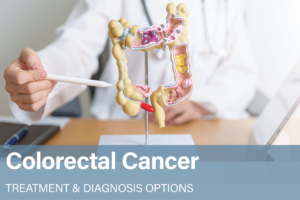
Colorectal Cancer: Treatment & Diagnosis Options
Colorectal cancer remains a global health concern, but progress in early detection and treatment offers hope
Screening for Colorectal Cancer
Colorectal cancer screening is crucial for early detection and improved outcomes. Here’s why it matters and the screening options available:
Colorectal Cancer Symptoms: Know the Signs
Colorectal cancer is a prevalent and potentially life-threatening disease, but it’s often treatable when detected early. Recognizing the symptoms of colorectal cancer is crucial for prompt diagnosis and intervention. Below are signs and symptoms of colorectal cancer to be aware of, emphasizing the importance of paying attention to your body and seeking medical attention if any concerning symptoms arise.
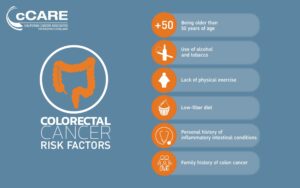
Colorectal Cancer: Causes & Risk Factors
Colorectal cancer, is influenced by genetic, lifestyle, and environmental factors. Understanding its causes and risk factors is key for prevention and early detection.
What is Colorectal Cancer?
Colorectal cancer, often referred to as bowel cancer, colon cancer, or rectal cancer, is a type of cancer that affects the colon or rectum. It’s one of the most common forms of cancer worldwide, but with early detection and appropriate treatment, it is highly treatable.
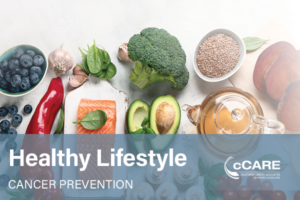
The Power of Healthy Lifestyle Practices for Cancer Prevention
Healthy lifestyle practices can have a significant impact in reducing the risk of cancer. Incorporating healthy habits like focused nutrition, physical activity, staying away from tobacco, and sun safety, you can prevent various types of cancer.
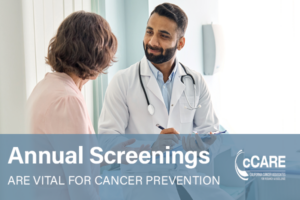
Early Detection and Screening for Cancer
As we commemorate National Cancer Prevention Month, it is crucial to recognize the importance of early detection and screening in the ongoing battle against cancer. Regular screenings for different cancer types can greatly impact timely intervention and treatment outcomes.
Cancer Risk Factors
As we honor National Cancer Prevention Month, it is important to know the factors that can contribute to the development of cancer. Lifestyle choices, environmental influences, genetics, and other variables can increase your risk of cancer. Understanding risk factors is critical to help prevent cancer.

Is Palliative Care Right for You? The Answer May Surprise You
Palliative care is a lot of things, but “end of life” care it is not. At its roots, it is care to keep living. Whereas hospice focuses on the last months of someone’s life, palliative care is concurrent with a patient’s illness – ideally, starting at initial diagnosis through any treatment or post-treatment adjustments.
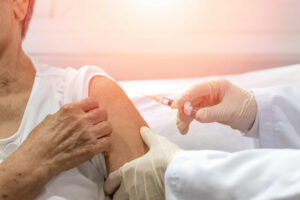
COVID-19 Vaccine and Cancer FAQ
On December 11, 2020, the U.S. Food and Drug Administration (FDA) issued an Emergency Use Authorization (EUA) for the Pfizer-BioNtech mRNA vaccine for use against the virus that is causing the illness known as COVID-19. The vaccine has been 95% effective in large-scale clinical trials and has already been approved for use in five other countries. It is given in two doses, three weeks apart. The state of California is now administering vaccines to those 65 and older.

Managing Cancer Pain for Better Quality of Life
Whether it’s a friend, family member or yourself going through cancer treatment, many of us have been impacted by pain associated with the disease and its treatment. With about 50% of cancer patients reporting pain as a symptom early in the diagnosis and more than 75% in later stages, pain caused by cancer and its treatment can become difficult to bear and can cause a variety of negative effects such as depression, hopelessness and loss of appetite.
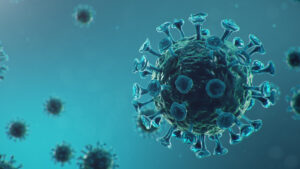
Novel Coronavirus (COVID-19) Updates for Cancer Patients
We encourage our patients to protect themselves and stay as informed as possible during the pandemic. Coronavirus is a family of viruses, but a new strain discovered in 2019 has resulted in concern and actions worldwide. Its official name is coronavirus disease 2019, abbreviated as COVID-19. It is also called novel (new) coronavirus.

Insights on Breast Cancer Signs, Mammograms & Breast Cancer Treatment
Aside from skin cancer, breast cancer is the most common cancer found in American women. According to the American Cancer Society, each woman has a 1 in 8 chance she will develop breast cancer within her lifetime. Approximately 1 in 39 women will die from breast cancer. With these high statistics, it is important that women know the basics about breast cancer signs, screening and treatments.

To Boost Breast Cancer Awareness, Our Fresno-Based Breast Surgeon Clears up Misconceptions
To effectively fight breast cancer, you need to know – and avoid – the myths that surround it

Managing Weight Loss or Gain Side Effects of Cancer Treatment
Maintaining a good fighting weight can help you go the distance in your bout with cancer

How You Can Support Cancer Patients
Cancer affects the person, his or her friends and family. Our tips for listening, keeping it normal and the do’s & don’ts of supportive care can help you alleviate a loved one’s anxiety.

Tobacco, Lung Cancer & Quitting Smoking FAQ
Smoking causes more than 480,000 preventable deaths in the United States each year. Dr. Lamon addresses some of the common questions around smoking and cigarettes.

Robotic Prostatectomy Is Changing the Game for Men with Prostate Cancer
These advanced surgical techniques can not only extract the cancer, they also can help preserve quality of life after prostate cancer treatment