

When Is a Sore Throat a Serious Threat? When It’s a Head and Neck Cancer
Head and neck cancers are cancers of the cells that line the head and neck cavity areas, which include the passages from the nose and mouth back toward the throat and down slightly toward the vocal cords. Although head and neck cancers only make up 4% of all cancers in the United States, they still pose a great danger.

A Radiation Oncologist’s Insights on Battling Bladder Cancer
Although bladder cancer is the seventh most common type of cancer found in the United States, I know from talking with my patients and their family members that it can be one of the most misunderstood as well. Many of the symptoms of bladder cancer, which develops when the cells in the bladder’s lining begin to grow out of control, are similar to symptoms of other medical conditions. This can cause people to overlook bladder cancer as a possibility.

Is Palliative Care Right for You? The Answer May Surprise You
Palliative care is a lot of things, but “end of life” care it is not. At its roots, it is care to keep living. Whereas hospice focuses on the last months of someone’s life, palliative care is concurrent with a patient’s illness – ideally, starting at initial diagnosis through any treatment or post-treatment adjustments.
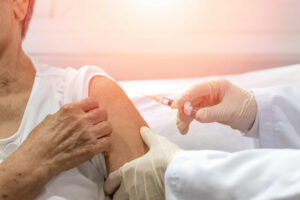
COVID-19 Vaccine and Cancer FAQ
On December 11, 2020, the U.S. Food and Drug Administration (FDA) issued an Emergency Use Authorization (EUA) for the Pfizer-BioNtech mRNA vaccine for use against the virus that is causing the illness known as COVID-19. The vaccine has been 95% effective in large-scale clinical trials and has already been approved for use in five other countries. It is given in two doses, three weeks apart. The state of California is now administering vaccines to those 65 and older.

Managing Cancer Pain for Better Quality of Life
Whether it’s a friend, family member or yourself going through cancer treatment, many of us have been impacted by pain associated with the disease and its treatment. With about 50% of cancer patients reporting pain as a symptom early in the diagnosis and more than 75% in later stages, pain caused by cancer and its treatment can become difficult to bear and can cause a variety of negative effects such as depression, hopelessness and loss of appetite.
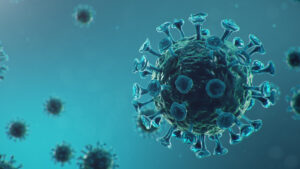
Novel Coronavirus (COVID-19) Updates for Cancer Patients
We encourage our patients to protect themselves and stay as informed as possible during the pandemic. Coronavirus is a family of viruses, but a new strain discovered in 2019 has resulted in concern and actions worldwide. Its official name is coronavirus disease 2019, abbreviated as COVID-19. It is also called novel (new) coronavirus.

Insights on Breast Cancer Signs, Mammograms & Breast Cancer Treatment
Aside from skin cancer, breast cancer is the most common cancer found in American women. According to the American Cancer Society, each woman has a 1 in 8 chance she will develop breast cancer within her lifetime. Approximately 1 in 39 women will die from breast cancer. With these high statistics, it is important that women know the basics about breast cancer signs, screening and treatments.

To Boost Breast Cancer Awareness, Our Fresno-Based Breast Surgeon Clears up Misconceptions
To effectively fight breast cancer, you need to know – and avoid – the myths that surround it

Managing Weight Loss or Gain Side Effects of Cancer Treatment
Maintaining a good fighting weight can help you go the distance in your bout with cancer
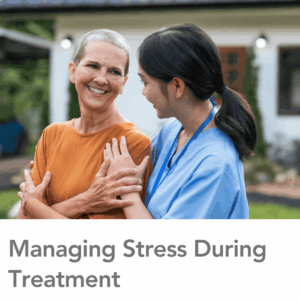
Managing Stress During Cancer Treatment
Cancer treatment can bring physical, emotional, and mental challenges. Feeling stressed or overwhelmed is completely normal, but there are simple, effective ways to help manage stress and maintain a sense of control during this time.
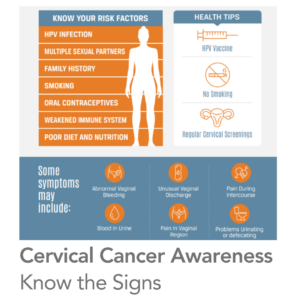
Common Symptoms of Cervical Cancer
In early stages, cervical cancer may not cause noticeable symptoms. As it progresses, some signs may include:

Ending the Year with Strength: Survivorship
December is a time of reflection, and for many survivors, it’s a chance to acknowledge how far they’ve come. Survivorship is more than finishing treatment—it’s learning to live well, stay empowered, and continue thriving.

Three Things You Can Do Today for a Healthier Tomorrow.
As the year comes to a close, many of us start thinking about resolutions and fresh starts. But when it comes to your health, you don’t have to wait for January to begin making powerful choices.
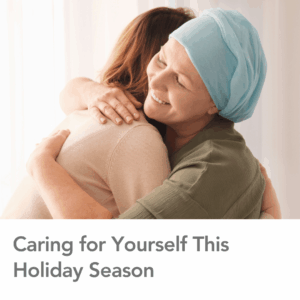
Caring for Yourself Through the Holidays
The holiday season can be joyful—but for those facing cancer, it can also feel overwhelming. It’s okay to need support, to set boundaries, or to approach the season differently than before.
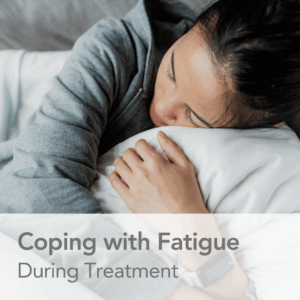
Coping With Fatigue During Cancer Treatment
Fatigue is one of the most common—and frustrating—side effects of cancer treatment. It’s more than feeling tired; it’s a profound lack of energy that rest alone can’t fix. The good news: there are proven strategies to help.
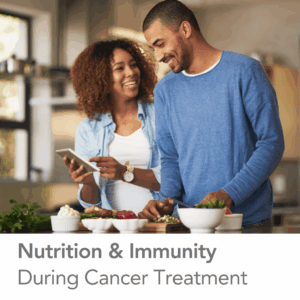
Nutrition & Immunity During Cancer Treatment
Nutrition plays a vital role in maintaining strength and supporting the immune system during cancer treatment. As we enter the colder months, it’s a perfect time to focus on foods that help your body stay resilient.
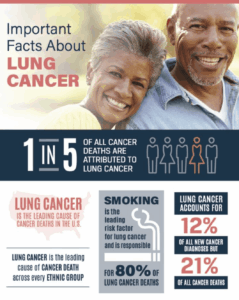
Lung Cancer Awareness: Understanding Symptoms & When to Get Checked
November marks National Lung Cancer Awareness Month, a time dedicated to increasing education, encouraging early detection, and supporting those affected by the disease.
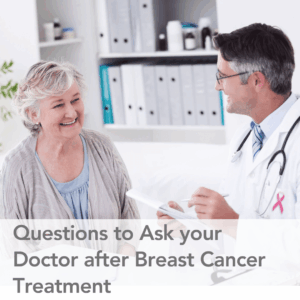
Follow-Up Care After Breast Cancer
Completing breast cancer treatment is a huge milestone, but your care doesn’t stop there. Follow-up care helps ensure your recovery stays on track, monitors for recurrence, and supports your overall health and well-being.
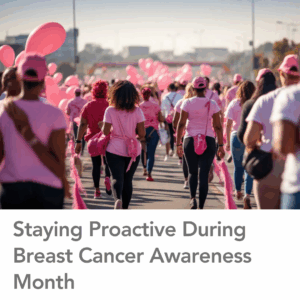
Staying Proactive During Breast Cancer Awareness Month
October is a reminder not just to wear pink, but to take meaningful steps toward protecting your health.