

When Is a Sore Throat a Serious Threat? When It’s a Head and Neck Cancer
Head and neck cancers are cancers of the cells that line the head and neck cavity areas, which include the passages from the nose and mouth back toward the throat and down slightly toward the vocal cords. Although head and neck cancers only make up 4% of all cancers in the United States, they still pose a great danger.

A Radiation Oncologist’s Insights on Battling Bladder Cancer
Although bladder cancer is the seventh most common type of cancer found in the United States, I know from talking with my patients and their family members that it can be one of the most misunderstood as well. Many of the symptoms of bladder cancer, which develops when the cells in the bladder’s lining begin to grow out of control, are similar to symptoms of other medical conditions. This can cause people to overlook bladder cancer as a possibility.

Is Palliative Care Right for You? The Answer May Surprise You
Palliative care is a lot of things, but “end of life” care it is not. At its roots, it is care to keep living. Whereas hospice focuses on the last months of someone’s life, palliative care is concurrent with a patient’s illness – ideally, starting at initial diagnosis through any treatment or post-treatment adjustments.
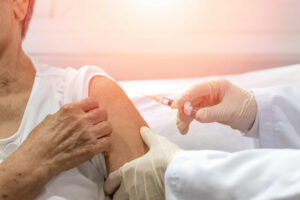
COVID-19 Vaccine and Cancer FAQ
On December 11, 2020, the U.S. Food and Drug Administration (FDA) issued an Emergency Use Authorization (EUA) for the Pfizer-BioNtech mRNA vaccine for use against the virus that is causing the illness known as COVID-19. The vaccine has been 95% effective in large-scale clinical trials and has already been approved for use in five other countries. It is given in two doses, three weeks apart. The state of California is now administering vaccines to those 65 and older.

Managing Cancer Pain for Better Quality of Life
Whether it’s a friend, family member or yourself going through cancer treatment, many of us have been impacted by pain associated with the disease and its treatment. With about 50% of cancer patients reporting pain as a symptom early in the diagnosis and more than 75% in later stages, pain caused by cancer and its treatment can become difficult to bear and can cause a variety of negative effects such as depression, hopelessness and loss of appetite.
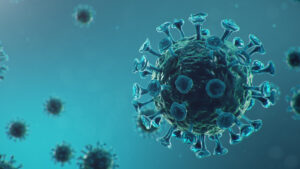
Novel Coronavirus (COVID-19) Updates for Cancer Patients
We encourage our patients to protect themselves and stay as informed as possible during the pandemic. Coronavirus is a family of viruses, but a new strain discovered in 2019 has resulted in concern and actions worldwide. Its official name is coronavirus disease 2019, abbreviated as COVID-19. It is also called novel (new) coronavirus.

Insights on Breast Cancer Signs, Mammograms & Breast Cancer Treatment
Aside from skin cancer, breast cancer is the most common cancer found in American women. According to the American Cancer Society, each woman has a 1 in 8 chance she will develop breast cancer within her lifetime. Approximately 1 in 39 women will die from breast cancer. With these high statistics, it is important that women know the basics about breast cancer signs, screening and treatments.

To Boost Breast Cancer Awareness, Our Fresno-Based Breast Surgeon Clears up Misconceptions
To effectively fight breast cancer, you need to know – and avoid – the myths that surround it

Managing Weight Loss or Gain Side Effects of Cancer Treatment
Maintaining a good fighting weight can help you go the distance in your bout with cancer
Cervical Cancer: Early Detection and Symptoms
January is Cervical Cancer Awareness Month, a time to shed light on the importance of early detection and preventive measures for cervical cancer. Cervical cancer occurs when abnormal cells in the cervix begin to grow uncontrollably. Though it is a serious diagnosis, it’s also one that can often be prevented or treated successfully when caught early.
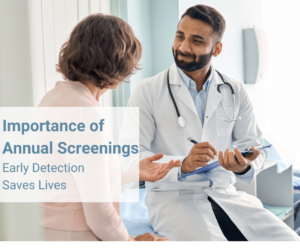
Understanding Cancer Screenings: Why Early Detection Matters
Cancer is most treatable when detected early, often before symptoms appear. Regular screenings are a critical part of preventive healthcare and can significantly increase the chances of successful treatment. Here’s what you need to know about the importance of cancer screenings:
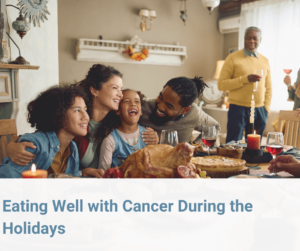
Eating Well with Cancer During the Holidays
The holiday season is often filled with rich foods, festive gatherings, and indulgent treats. For individuals undergoing cancer treatment, maintaining a balanced diet can feel challenging but is an important part of supporting overall health and well-being. With a few mindful strategies, you can enjoy the season’s flavors while prioritizing your nutritional needs.
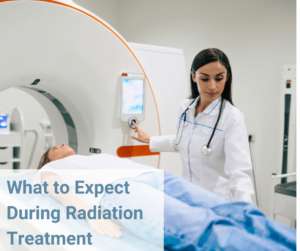
What to Expect: Radiation Therapy
Here’s an overview of what to expect during your radiation therapy journey:
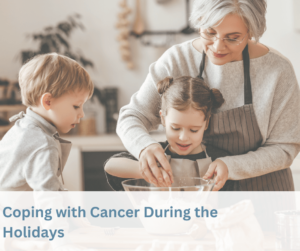
Coping with Cancer During the Holidays
The holiday season is often associated with joy, celebration, and togetherness. However, for those navigating a cancer diagnosis, it can bring a mix of emotions—stress, sadness, and even anxiety. Balancing treatment, family gatherings, and self-care may feel overwhelming, but there are ways to make the season more manageable and meaningful.
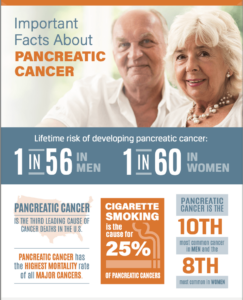
Hope and Progress in Pancreatic Cancer Treatment and Research
Pancreatic cancer has long been one of the most challenging cancers to treat, but advances in research, treatment, and advocacy are providing new hope. This Pancreatic Cancer Awareness Month, let’s focus on the importance of innovative treatment options and how we can support ongoing research for better patient outcomes.

Pancreatic Cancer – Understanding the Disease and Its Challenges
November is Pancreatic Cancer Awareness Month, a time to shine a light on one of the deadliest cancers that, despite its severity, receives limited attention. Pancreatic cancer is challenging to diagnose early, spreads quickly, and has a low survival rate. However, awareness and understanding can help in early detection and support ongoing research to improve outcomes.
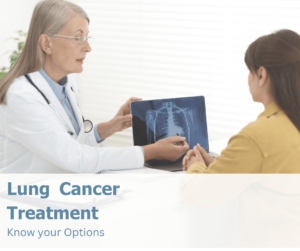
Lung Cancer Treatment Options
If you or a loved one is diagnosed with lung cancer, understanding treatment options is essential. Let’s explore the various ways lung cancer can be treated, offering hope and options for those affected.
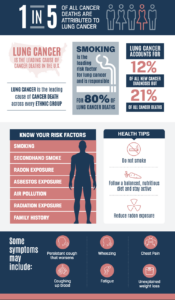
Lung Cancer Risk Factors and Prevention
Preventing lung cancer is possible with lifestyle adjustments, risk awareness, and screenings. Here’s what you need to know about the factors that increase lung cancer risk and how to reduce them.
Lung Cancer Awareness
Lung cancer is a leading cause of cancer deaths worldwide, and its early symptoms are often overlooked or mistaken for less serious conditions. In this post, we’ll discuss what lung cancer is, explore its types, and focus on understanding the symptoms, so individuals can recognize early warning signs.